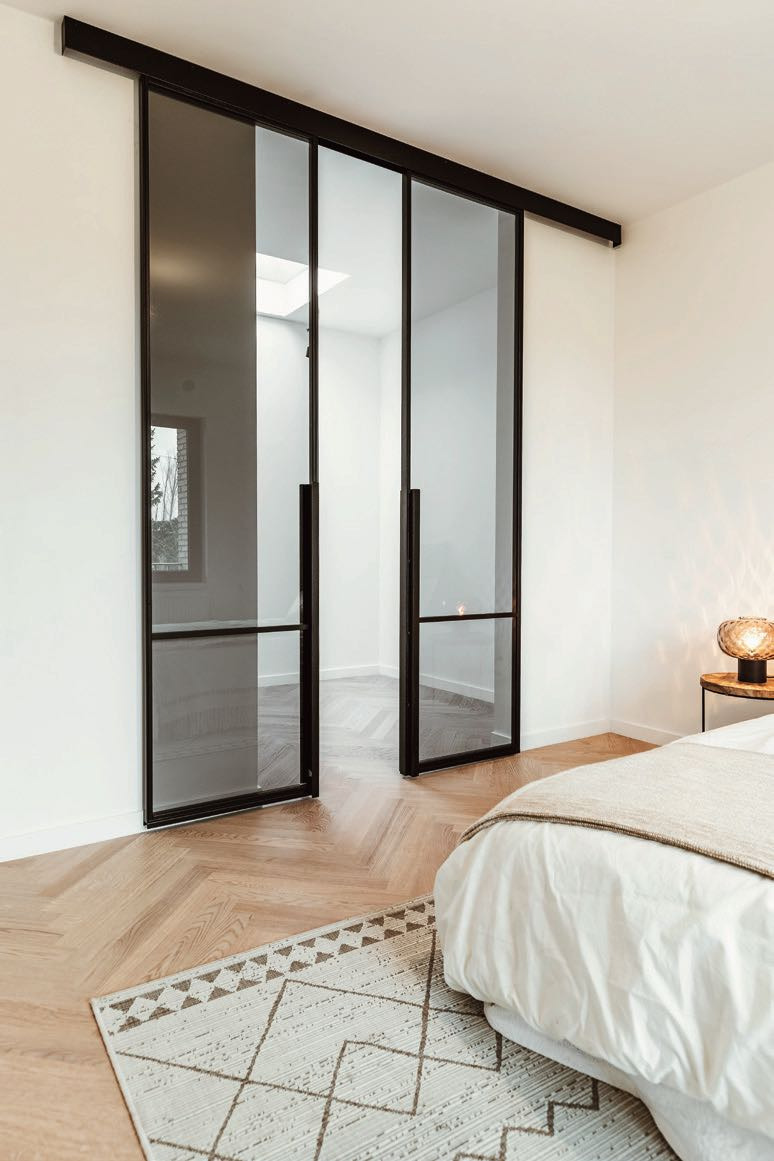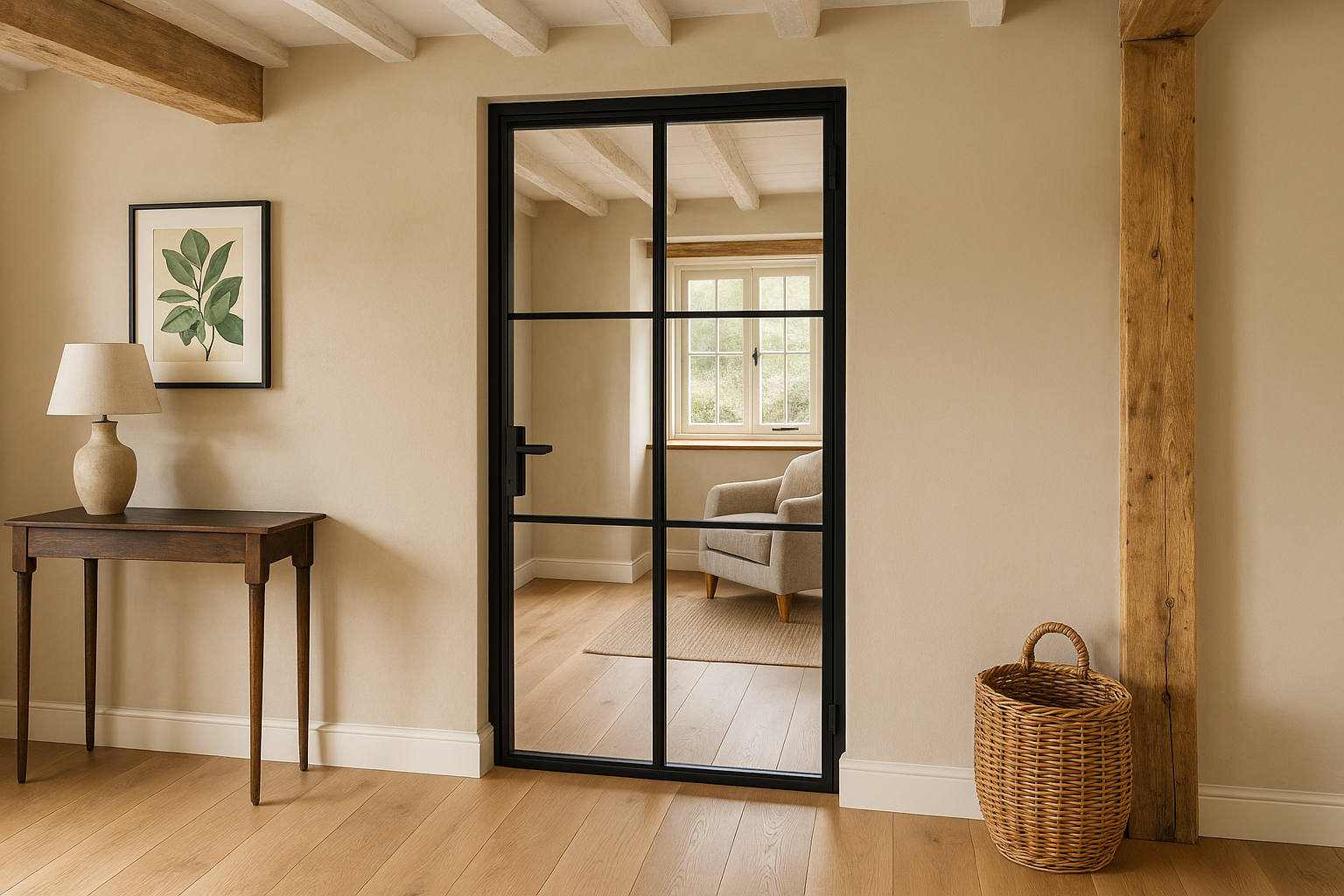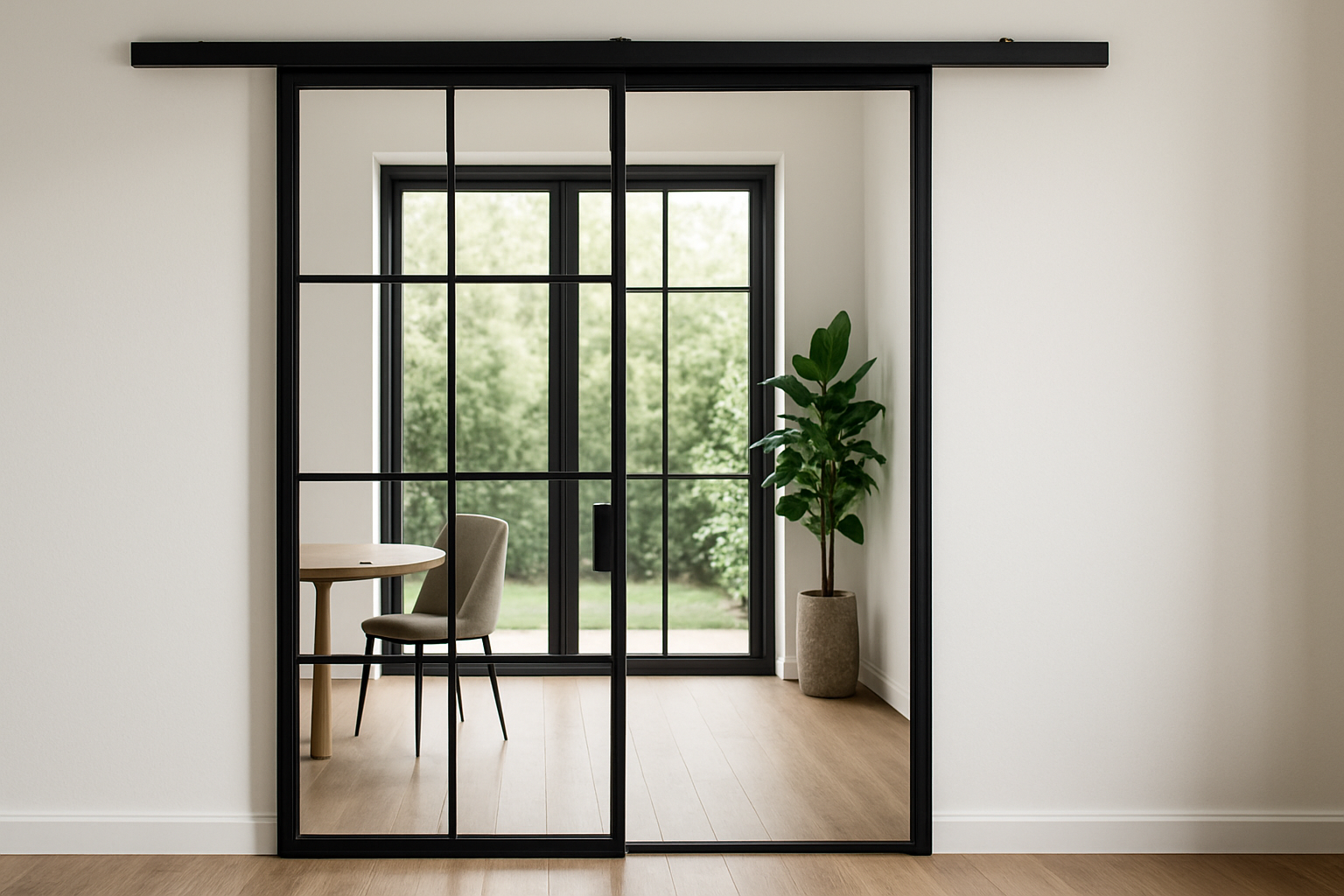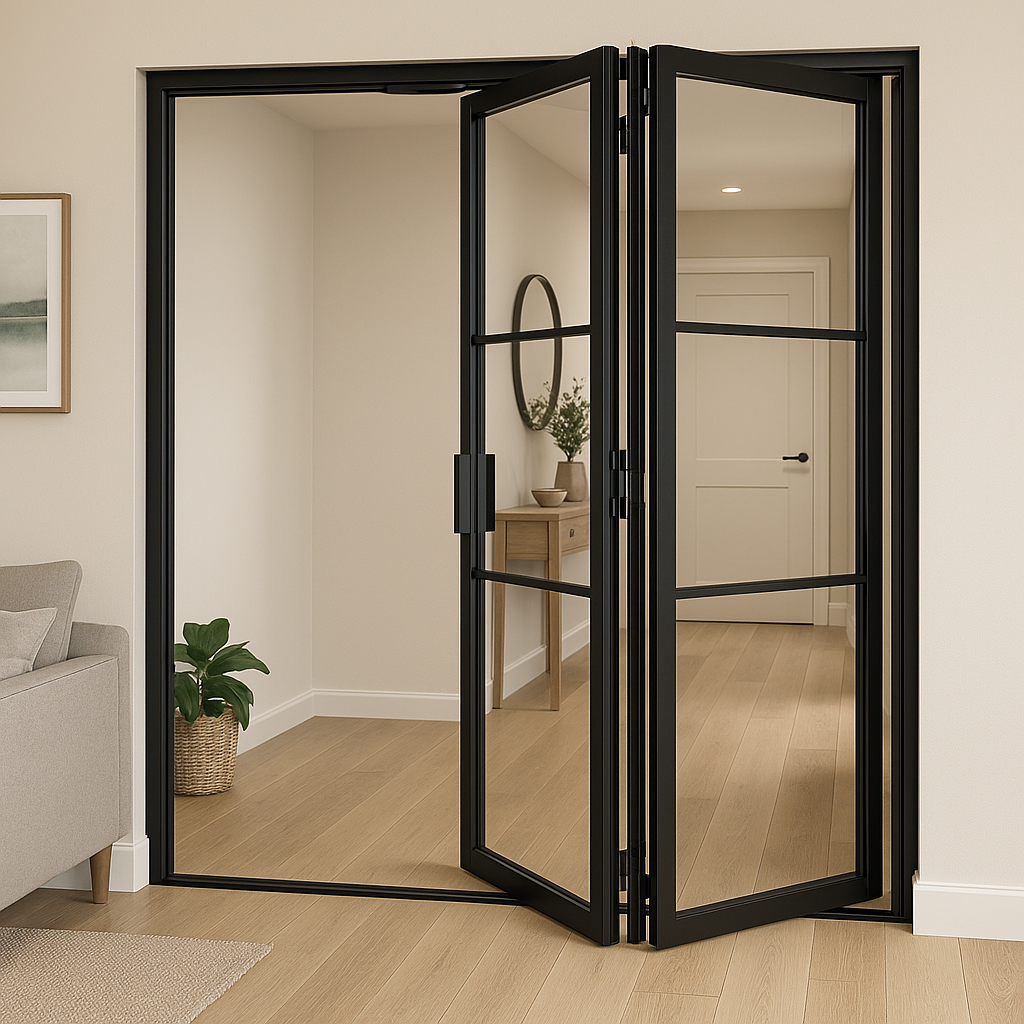
When you live in a period or character home, your windows do more than keep the weather out. They shape the look of your property, frame the light that enters each room, and influence how your home feels day to day. But if your current windows are ageing, draughty, or failing to insulate properly, you may be sacrificing comfort and paying more on your energy bills than necessary. That’s where steel replacement windows come in. They offer the perfect balance: respecting the heritage style of your home while giving you the modern benefits of warmth, efficiency, and security. Why Upgrade to Steel Replacement Windows? The appeal of steel lies in its strength and elegance. Unlike bulkier alternatives, steel allows for exceptionally slim sightlines, meaning more glass and less frame. This keeps your windows looking authentic to their original proportions while allowing more natural light into your rooms. For homes in Surrey — whether Georgian terraces, Edwardian villas, or Arts & Crafts cottages — this slim, timeless style ensures your windows feel like they’ve always belonged. At the same time, you’re gaining all the performance advantages of a brand-new installation. Key benefits of upgrading: Enhanced kerb appeal without compromising historic character. Increased natural light thanks to larger glazed areas. Modern security features integrated discreetly into traditional styling. Energy Efficiency That Works for Your Home Older steel or timber frames often let heat escape, creating cold spots and draughts. Modern energy efficient window technology changes that. Steel replacement windows are fitted with high-performance double or even triple glazing, combined with insulated frames that dramatically improve U-values. The result: A warmer home in winter, cooler in summer. Reduced heating bills thanks to less heat loss. Improved EPC ratings — a bonus if you ever plan to sell your home. When combined with other efficiency upgrades such as improved insulation or draught-proofing, the savings become even more significant. In many cases, homeowners report energy bills dropping by up to 20–25% following a full window replacement project. In short, you don’t have to compromise style for efficiency. You can enjoy the comfort of a snug home while keeping its historic character intact. A Style That Respects Heritage and Elevates Modern Homes One of the greatest concerns homeowners have is whether new windows will look “right” in a period property. With steel replacement windows, this worry is put to rest. These windows are bespoke-made, designed to echo the original detailing of your home. You can choose from: Heritage steel windows that replicate traditional glazing bar layouts. Art deco replacement windows with striking geometric designs. A wide palette of finishes — from classic black to softer neutral tones that echo historic ironwork. Options for glazing: clear for maximum light, reeded for texture, or frosted for privacy in bathrooms and secondary rooms. This attention to detail ensures your new windows preserve your home’s unique charm while adding a subtle architectural upgrade. Comparing Your Options Homeowners sometimes ask whether it’s better to replace steel windows with aluminium. While aluminium is a strong and versatile material, there are differences worth noting: Aluminium frames: good for thermal performance, but often chunkier, which can jar in a heritage home. Steel frames: incredibly strong, so you get slimmer sightlines, larger panes of glass, and a more authentic look. Some people opt for aluminium steel replacement windows as a compromise — but for period properties where authenticity matters, steel offers the most faithful match while still delivering durability and efficiency. Local Expertise Matters If your Surrey home is within a conservation area, or you’ve got a listed property, replacing windows isn’t as simple as choosing a design you like. Local planning rules often require sympathetic materials and styles. That’s where a trusted local partner makes all the difference. Jennyfields has decades of experience in steel window installation across Surrey and the surrounding counties. We understand how to balance planning requirements with your design goals, ensuring your project runs smoothly from consultation to completion. Our team guides you through: Initial design discussions tailored to your home’s character. Technical drawings and proposals for planning approval. Bespoke manufacturing for a perfect fit. Clean, careful installation with minimal disruption. Long-term aftercare and support. Long-Term Value Beyond Style Steel isn’t just a beautiful material — it’s built to last. Powder-coated finishes resist chips and scratches, while toughened glazing stays secure and clear for years. Unlike timber, you won’t have to worry about warping, rot, or repainting. That durability makes steel replacement windows a smart investment. You gain everyday comfort now and add long-term value to your property. Homes with upgraded windows are more appealing to buyers, often achieving higher sale prices and faster sales. FAQs How much more energy efficient are steel replacement windows compared to original frames? They can reduce heat loss significantly, particularly when replacing single-glazed windows. Many homeowners see noticeable drops in heating costs and improved EPC scores. Can I install steel replacement windows in a conservation area or listed building? Yes — but the design must usually be sympathetic to the property’s character. Working with experts who understand local planning makes the process straightforward. Are steel replacement windows available in custom colours and glazing options? Absolutely. You can choose from a full RAL colour chart, as well as glazing types such as clear, frosted, or reeded glass. How long do steel replacement windows last? With minimal maintenance, they can last for decades. The powder-coated finish protects against wear, and steel’s strength means frames won’t sag or distort over time. Will new windows add value to my home? Yes. Buyers are drawn to homes with efficient, stylish windows — especially when those windows enhance heritage character while lowering energy bills. Ready to Upgrade? Replacing your windows is a big decision, but with Jennyfields it’s an investment you can feel confident about. From design and planning through to installation and aftercare, we specialise in steel replacement windows that transform homes across Surrey. If you’re ready to combine heritage style with modern performance, get in touch today … Read more
Internal Steel Doors
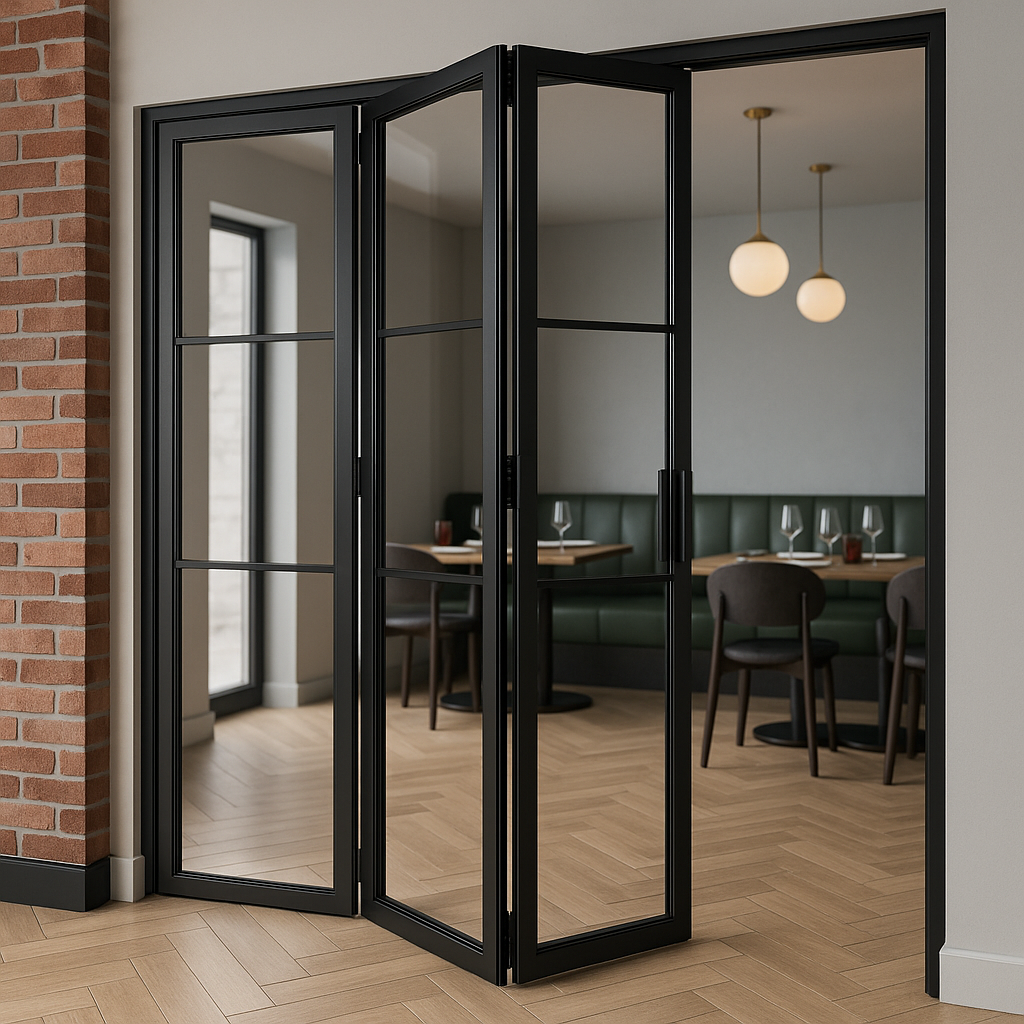
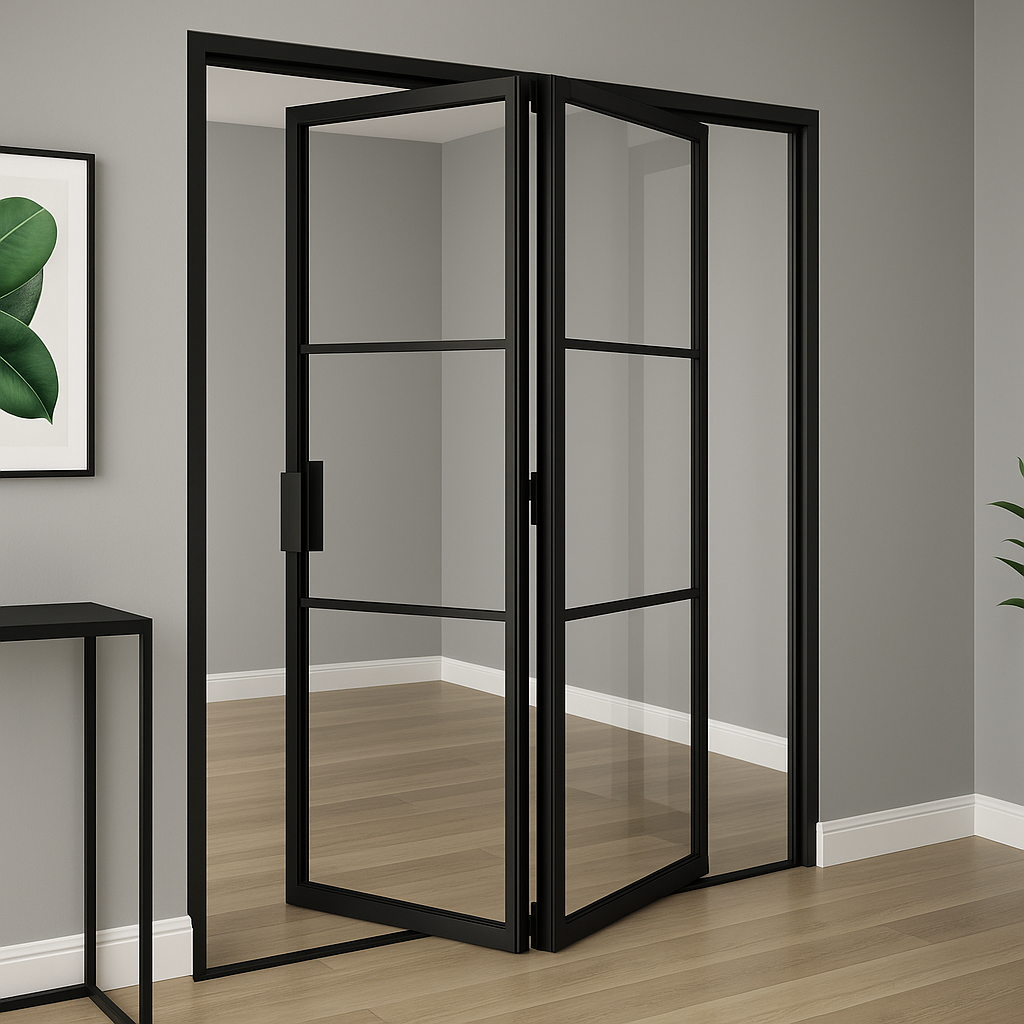
There’s a growing desire in modern homes for smart space and flexibility. Homeowners want light-filled interiors that feel open and expansive, yet still provide comfort, definition and privacy when needed. The challenge lies in finding architectural solutions that let you do both: connect and separate, open and close, blend and divide. That’s where internal bifold doors with glass come in. At Jennyfields, we design our doors to help people reimagine how their homes feel and function. From large family kitchens to studio flats and converted period properties, internal bifold doors with glass bring structure, flow and light, all in a format that folds away when not in use. This guide explores what makes them so effective, and how to use them with confidence in any contemporary space. What Are Internal Glass Bifold Doors? An internal glass bifold door consists of a series of glazed panels connected by hinges, which fold neatly to one side when opened. Unlike sliding doors, which typically move one panel behind another, bifolds fold back entirely, opening up the entire width of a doorway or partition. The result is a door that offers maximum flexibility. You can close the doors for acoustic separation and heat control, open them partially for soft zoning, or fold them right back for a seamless connection between two rooms. At Jennyfields, our internal bifold doors with glass are built from slender steel frames and architectural glazing, combining durability and clarity in a format that’s both bold and unobtrusive. The Balance of Openness and Separation Open-plan living has its strengths, particularly in terms of light, social connection and flow, but it isn’t always practical. Noise travels, cooking smells linger, and sometimes you simply want a bit of privacy or quiet without losing the sense of space. That’s where internal bifold doors with glass excel. They let you close off part of a room without cutting it off entirely. You can maintain sightlines, share light between zones, and soften acoustics without shutting yourself in. As Kate Wiltshire Design notes, one of the smartest ways to zone a space is by using architectural features that “break through”, things that suggest boundaries without making them feel rigid. Bifold glass doors are the perfect expression of that philosophy. Where Internal Glass Bifold Doors Work Best These doors are remarkably versatile, but some spaces benefit from them more than others. Popular placements include: 1. Between Kitchens and Living Rooms This is one of the most popular uses for internal bifold doors with glass. When closed, they act as a barrier between the smells, noise, and activity in the kitchen, ideal for families or those who entertain regularly. Yet when folded back, they re-establish that free-flowing, sociable connection that open-plan spaces are known for. They allow a kitchen to be hardworking during meal times, and seamlessly part of the wider space when guests arrive. 2. Home Offices or Studies With more people working from home, the need for quiet, focused workspaces has become essential. Internal bifold doors with glass can section off the home office space and reduce noise from elsewhere in the house, without making it feel claustrophobic. The glass panels also let in natural light and maintain a connection to the rest of the home. This provides a psychological boost when working long hours, and once the day is done, the doors can be folded open to reintegrate the space into everyday living. 3. Hallways and Dining Spaces Connecting transitional spaces like hallways to communal rooms such as dining areas is a smart way to encourage flow while maintaining visual structure. Bifold glass doors in this context can act as a soft barrier, allowing light to travel down hallways while still giving the dining space a defined boundary. During gatherings, the doors can be opened to encourage easy movement. On quieter days, closing them creates a cosier, more intimate setting. 4. Bedroom to Dressing Area or En Suite Privacy is still important in these zones, but that doesn’t mean blocking them off entirely. Reeded or frosted glass panels let you introduce bifold doors that offer discretion while sharing light and a sense of volume. This setup is particularly effective in master suites or converted loft spaces, where a single open-plan floor might include sleeping, bathing, and wardrobe zones all in one. Bifold doors help define those areas without the need for permanent walls. 5. Loft Conversions and Garden Rooms These spaces often have unique layouts, sloping ceilings, unusual sightlines, or deep structural beams. Internal bifold doors with glass provide the perfect solution for working with such quirks. In lofts, they help split bedrooms from landing areas, or reading nooks from storage. In garden rooms or home offices, they provide warmth and enclosure in colder months and can be opened to expand the space during warmer ones. The flexibility adds year-round usability. In short, any area where you’re trying to achieve both openness and enclosure at different times is a strong candidate. Amplifying Light and Space The key benefit of including glass in a bifold door system is the way it distributes light. In deep-plan layouts or older homes where natural light is often concentrated at the front or rear, internal glass bifold doors help to share that light throughout the property. They act as transparent walls, letting light bounce between zones while still creating functional separation. When paired with mirrors, reflective floors, or pale colour schemes, the impact is even stronger. This effect is particularly noticeable in terraced homes or flats, where corridors and living spaces are traditionally divided into smaller rooms. Removing those barriers entirely can feel too stark or too exposed, but swapping a solid wall for bifold glass panels brings light and openness without making the space feel formless. How They Support Contemporary Lifestyles More than ever, homes are expected to perform multiple roles. They’re offices, gyms, schools, sanctuaries and entertainment spaces. Flexibility has become a necessity. Internal bifold doors with glass let you redefine how a space functions in seconds. You … Read more
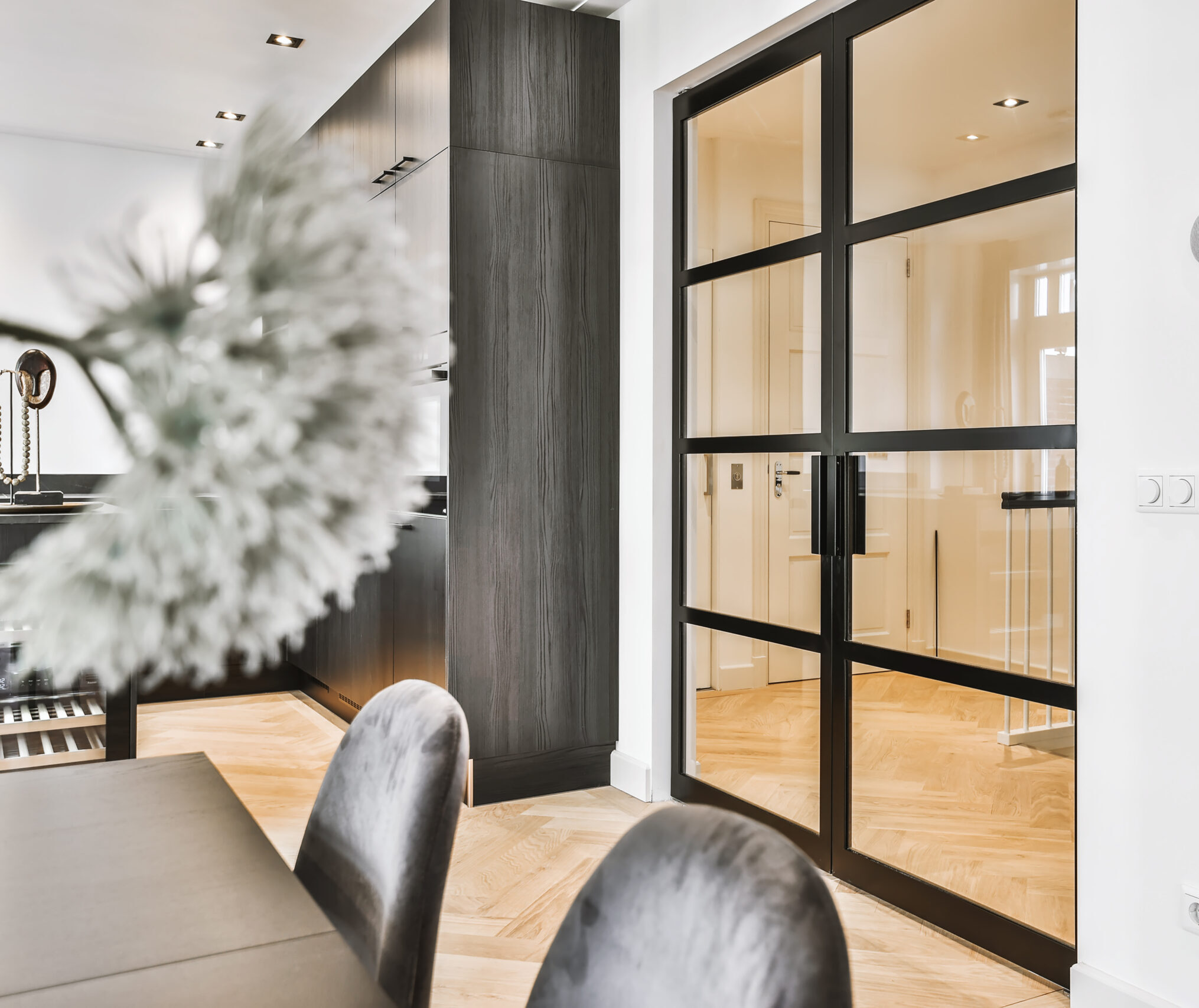
There’s a noticeable shift in how people are designing and living in their homes. Light, flow, openness and intentional boundaries are becoming the priorities, and in that space between full walls and totally open-plan, internal steel glass doors are making their mark. These doors do more than simply divide space; they define it, letting light move effortlessly throughout a home, and at Jennyfields, we create internal steel glass doors that work beautifully in modern, light-focused homes. A Modern Solution to a Common Challenge In contemporary homes, people are often trying to balance open-plan living with functional separation. There’s a desire to let light flow through a property, but also to introduce pockets of privacy, structure and calm. Walls can feel heavy, curtains and screens feel temporary, but internal steel glass doors walk the line perfectly. They allow you to zone your home with visual clarity, maintain acoustic separation when needed, let light travel between rooms, and avoid the boxed-in feel that often comes with traditional doors. It’s the combination of transparency and structure that makes them so well suited to contemporary spaces. Why Glass and Steel Work So Well Together Steel is strong, glass is light, and together, they offer contrast and harmony. The strength of the steel creates ultra-slim frames, which means larger panes of glazing. That, in turn, means more natural light, better views, and a greater feeling of openness. Our internal steel door collection is built around this idea: architectural function meets aesthetic precision. You don’t need bulky materials to make a statement, just clean geometry, thoughtful proportions and materials that last. It’s a timeless combination, one that suits everything from loft apartments and new-builds to period homes with updated layouts. Designing for Light Light goes beyond making a room feel good, it changes how the room functions as studies have shown, including those cited by Healthline. Exposure to natural light improves mood, sleep quality and productivity. In design terms. It also expands visual space and supports a sense of calm. Internal steel glass doors are one of the most effective ways to spread natural light throughout a home. Placing a door between a hallway and kitchen, lounge and study, or bedroom and dressing area helps distribute daylight into deeper parts of the house. When paired with reflective surfaces, polished floors or pale walls, these doors amplify light even further, reducing the need for artificial lighting and creating a consistent daytime atmosphere. Where They Work Best These doors are endlessly adaptable, but they’re especially valuable in homes with limited external windows, deep-plan layouts, converted basements or lofts, and high-traffic zones like kitchens and hallways. In our partitions and room divider range, we’ve used steel and glass to great effect in open-plan homes that need definition without sacrificing space. Instead of building full walls or relying on temporary furniture arrangements, homeowners can install internal steel glass doors that permanently improve the way rooms feel and function. They’re also ideal in home offices or studies, where visual connection is desirable but noise reduction is key. In modern extensions with large open spans, internal steel glass doors can help create quiet corners or reading zones without shutting off natural light. The Psychological Impact of Light More than just an aesthetic decision, internal steel glass doors contribute to overall wellbeing. As the Healthline article outlines, natural light exposure is closely linked to mental clarity, emotional health, and circadian rhythm regulation. In homes where people work, rest, and recharge, this matters more than ever. Thoughtfully placed steel and glass doors help you capture and circulate that light into spaces that would otherwise rely heavily on artificial lighting. Bedrooms become more serene, hallways become inviting, and dining areas feel more open and alive. Matching Your Interior Style While often associated with industrial or minimalist interiors, internal steel glass doors are far more versatile than their stereotype. They work just as well in soft, tactile environments as they do in monochrome modernist schemes. In homes with exposed brick, they create contrast. In crisp, white-painted spaces, they add definition. In period homes, steel and glass doors can sit comfortably alongside traditional mouldings, parquet floors, or steel windows. They provide that linking thread between old and new, especially in renovations or extensions where architectural eras are blending. Design Details That Matter One of the things we always emphasise is that it’s the detailing that elevates these doors from functional to beautiful. Things like: The width and layout of glazing bars The proportions of side or top lights The RAL colour chosen to complement or contrast existing joinery The choice of glazing (reeded, frosted, clear, or tinted) Each of these decisions affects the way the light enters the room, how reflections move through the space, and how the door integrates with its surroundings. Built for You and Your Home Every internal steel glass door we make is custom-built. We don’t use generic sizes or fixed styles. We work with you, your architect or interior designer to make certain that the door feels intentional. This means: Door swing and handle placement match the flow of your room Glazing pattern lines up with furniture, panelling or tiles Colour selection works with the broader palette of your home Fixing details are hidden, clean and precise The goal is to make your door feel like it has always belonged, even if it’s a brand new addition. Durability That Matches the Design Of course, style is nothing without performance. Our steel doors are powder-coated for long-term resilience, and the finish is UV stable so it won’t fade over time. The frames are also designed to resist chips and scratches, and the glazing is secure, safely housed, and easy to clean. These aren’t doors you’ll need to repaint or replace. They’re built for life and for daily use. The hinges are discreet and solid, the handles can be chosen to suit your space, and the whole system is engineered to feel as good as it looks. Light, Logic and Longevity Internal steel … Read more
Open-plan layouts, architectural minimalism, and clean sightlines have become defining features of modern interiors, and as design tastes change, so too do the door systems that complement them. While bifolds and sliders serve function and flexibility, there’s another player quietly making a name for itself, the internal pivot door. If you’re looking to introduce something bold, architectural, and surprisingly practical into your space, pivot doors offer a striking alternative. They’re different in how they look, but also in how they move, frame a room, and subtly shift the atmosphere of a space. Jennyfields specialises in crafting steel pivot doors that combine statement-making design with everyday usability, and this blog explores exactly why they’re worth considering. What is an Internal Pivot Door? Understanding the pivot mechanism Unlike traditional hinged doors that are attached to the side of the frame, pivot doors rotate on a central or off-centre pivot point, mounted at the top and bottom. This allows the door to swing open both inwards and outwards, and creates a smooth and fluid motion. The pivot mechanism makes a door feel less like a utility and more like an architectural feature, and because the weight is carried through the pivot rather than side hinges, doors can be larger, heavier, and more dramatic. This makes them perfect for grand openings or minimalist statements. As noted in RIBA, pivot doors can be incredibly versatile in design application. They give designers freedom over proportions and materials, and offer a different user experience altogether, more like walking through a rotating plane than pushing open a panel. Why Choose a Pivot Door for a Modern Interior? It Makes a Bold Architectural Statement Pivot doors carry a natural sense of occasion, opening with a glide and a soft, deliberate movement that feels satisfying to use. In open-plan homes or sleek, minimal interiors, that movement becomes part of the rhythm of the space. Steel pivot doors in particular offer a bold graphic quality, the clean vertical lines, slender frames, and large glass panels work beautifully in both monochrome interiors and layered material palettes. You can use one to divide a kitchen from a hallway or frame the entrance to a dressing room, and the effect is always distinctive and architectural. Jennyfields’ internal pivot door collection is designed with this in mind, creating doors that sit confidently within modern interiors, while also remaining highly functional. The Benefits of Steel-Framed Internal Pivot Doors 1. Unmatched visual clarity and light flow One of the major advantages of an internal pivot door is the way it frames and filters light. With wide glass panels and slim steel borders, it enables daylight to flow between rooms while still offering privacy and definition. If you zone a living-dining area or create a soft divide between a bedroom and en suite, internal pivot doors can maintain that sense of openness while introducing structure. Jennyfields’ bespoke designs can also be specified with clear, frosted, reeded or tinted glass depending on the level of privacy and style required. 2. Ideal for large or feature openings Because the pivot mechanism can support wider and taller doors than traditional hinges, they’re perfect for rooms with high ceilings, wide corridors or open-plan transitions. As Homebuilding & Renovating explains, pivot doors are often used in architectural homes because they make large-scale openings feel elegant rather than overwhelming. Jennyfields builds pivot doors to your dimensions, so if you’re working with a generous frame or a tighter space that needs impact, the result will feel perfectly proportioned. 3. Clean sightlines and smooth thresholds Pivot doors often require no visible frame or architrave, which elevates the minimalist appeal. When paired with floor-to-ceiling glass, the look is crisp, contemporary and subtly luxurious. Jennyfields offers a flush threshold option for seamless transitions, ideal for spaces where flooring continues from one room to the next. How Pivot Doors Enhance Open-Plan Layouts Zoning without shutting down the space In modern homes, particularly those with open-plan living areas, creating subtle separation without breaking up the visual flow is essential. Pivot doors excel here. Unlike solid partitions or even bifold doors, an internal pivot door adds structure without visual weight. Close the door to separate a snug or study, and it becomes part of the architecture. Open it, and it tucks into the space with ease, no folding panels, no floor clearance issues, just quiet movement. This makes it ideal for soft zoning, where you want to imply a room change without feeling closed in. Refresh Renovations points out that pivot doors are increasingly used in high-spec homes because they support flexible living, giving you the power to change the mood of a space instantly. Steel and Pivot: A Perfect Match Why steel elevates the pivot door concept While pivot doors can be made in wood or aluminium, steel brings a unique balance of elegance and strength. The inherent structural integrity of steel makes it ideal for slimmer frames and larger panes of glass, which is exactly what you want in a door that’s meant to make a visual impact. Jennyfields internal pivot doors use high-grade steel with a durable powder-coated finish, giving you the choice from a wide range of RAL colours to suit your interior. You might prefer a classic matte black, a soft neutral tone, or something bold, the frame becomes part of your interior palette rather than just a boundary. With steel being so strong, it also supports custom glazing options, including double- or even triple-glazed panels for sound reduction, temperature control, and added privacy, all without sacrificing light. Ease of Use and Practicality Are pivot doors easy to operate? Despite their bold design, pivot doors are incredibly easy to use, and with the weight being transferred through the pivot points, rather than hinges, the movement feels light and fluid. Jennyfields’ pivot systems use high-quality bearings and concealed fixings, so there’s no noise, no clunky movement, just a smooth, quiet glide. This makes them ideal for homes with children, elderly … Read more
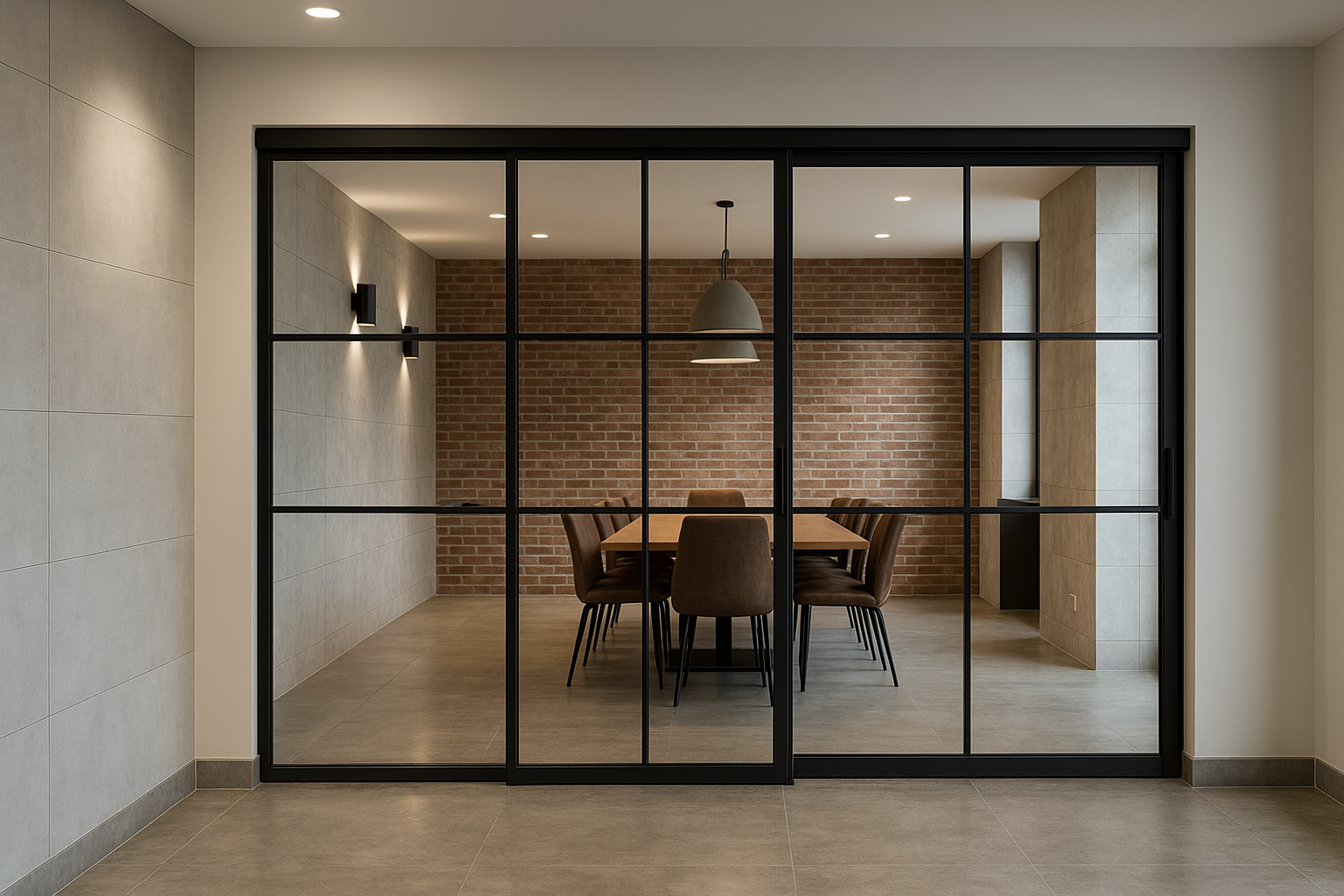
Open-plan living continues to define design trends, and for good reason, it promotes fluidity, social connection, natural light, and a contemporary sense of space. As any homeowner, designer, or renovator knows, wide-open layouts come with their own set of challenges: how do you create separation without losing flow? How do you add privacy without cutting off light? How do you make a space adaptable without turning it into a patchwork of zones? Enter the steel sliding door: a sleek, versatile, and enduringly stylish solution to the open-plan paradox. More than just a space-saving entryway, steel sliding doors offer a smart architectural approach to living spaces that need to shift between open and closed, connected and divided, shared and private. At Jennyfields, we craft bespoke steel sliding doors that epitomise elegance and functionality, tailored precisely to your home’s unique character. Our internal door designs seamlessly blend modern energy performance with high-security features, making your space as beautiful as it is practical. Sliding Doors: The Open-Plan Problem Solver Balancing openness and division with design-led solutions One of the main challenges with open-plan layouts relates to how you balance connection with separation. You may want the kitchen to flow into the living room, but not want the smell of cooking drifting across during a quiet evening. You might love the openness of a combined lounge and home office until you need to take a Zoom call while someone’s watching TV just metres away. Steel sliding doors are a great option for this living space quandry, providing a flexible boundary which can be closed when you need privacy, quiet, or containment, and opened when you want free-flowing movement and sightlines. Unlike fixed partitions or solid doors, they allow you to change the feel of your space on demand. As we noted in our guide to room dividers, this adaptability is a huge asset in modern homes, particularly where space is limited or multifunctional rooms are needed. Visual Continuity Without Compromise Transparency, light, and architectural rhythm A major appeal of open-plan living is how it fills a home with light. Large, connected rooms allow daylight to travel deeper into the space, which supports wellbeing, reduces energy use, and makes interiors feel larger, but this can be compromised by clunky partitions or bulky room dividers. Steel sliding doors maintain that sense of openness, even when closed. Their slim profiles and large glazed panels create barely-there boundaries, preserving light flow and sightlines. Even when drawn across a doorway or threshold, the room still feels like a single whole. This is where steel outshines timber and aluminium alternatives. The slim strength of the steel frame allows for maximum glazing, as seen in Jennyfields’ collection. Whether you go for single panels or double-track designs, the visual rhythm remains elegant, modern, and unobtrusive. In House & Garden’s sliding and pocket door gallery, many of the most successful examples use black steel frames to create understated elegance and subtle texture. It’s a design approach that works across styles, from modernist to farmhouse. Space Efficiency Meets Style Why sliding doors are ideal for tighter layouts Unlike bifold or hinged doors, which need room to swing or fold back, sliding doors stay within the line of the wall. This means no loss of floor space to door arcs or folded panels, and no interference with furniture or shelving placed near the opening. This efficiency makes steel sliding doors especially useful in urban flats, compact homes, and clever renovations where space needs to work hard. In areas where every square metre counts, like galley kitchens, home offices, or narrow hallway connections, being able to close a space without obstructing it is invaluable. Pocket sliding doors go a step further, disappearing entirely into the wall cavity when open. They’re discreet, architectural, and help maintain a sense of spaciousness even when doors are in use. Jennyfields offers both surface-mounted and recessed systems, with each design tailored to suit the structure and style of the home. Aesthetics That Elevate the Everyday Minimalist, industrial, timeless, steel does it all There’s a reason black steel-framed doors have become an interior design mainstay. They combine old-world craftsmanship with modern lines. They’re neutral without being bland. And they suit nearly every style, from loft apartments and Edwardian terraces to new-build extensions and converted barns. Sliding steel doors offer all the aesthetic benefits of steel, the slim frames, crisp lines, and graphic appeal, but with the added bonus of movement. The sliding motion is gentle, architectural, and more subtle than a swing or fold. Gather Aus highlights a wide range of sliding door applications from walk-in wardrobes to dividing open living areas, and steel consistently stands out as both practical and aspirational. Whether used as a single panel between rooms or a full wall of steel-framed glazing, the result feels curated, elegant and robust. Jennyfields builds each door to spec, meaning you can choose the number of panels, glazing type, handle style and RAL colour finish to suit your interior perfectly. For some, that might mean ultra-matte black. For others, a soft grey or deep bronze that nods to mid-century style. Sound Control Without Total Separation Creating peace and privacy in open layouts While light and flow are great, sometimes you just need a break from the noise. When you’re trying to work from home, relax after dinner, or giving your kids their own play zone, a bit of acoustic separation can go a long way. Unlike open archways or glass partitions, sliding doors can be fully closed, softening any noise without shutting down the space entirely. Jennyfields’ steel sliding doors can be configured with specialist glazing or seals to reduce sound transfer while still looking open and light. This is particularly useful in family homes, where you might want a visual connection between zones but still need individual spaces to function independently. Instead of shutting off a room completely with a solid door or stud wall, a glazed steel sliding door can give you the … Read more
Steel Bifold Door or Sliding Door? Choosing the Right Fit for Your Space When it comes to internal doors, few options are as striking and versatile as steel. If you’re renovating a period property or refining the flow in a new-build, steel doors can create a strong visual statement while offering practical solutions. Within the category, the two main styles that stand out are steel bifold doors and steel sliding doors. Both are beautiful, functional, and enduring, but choosing the right one for your space requires a bit more thought than simply deciding what looks good on Pinterest. By the end of this article though, you should have a much clearer sense of which option suits your lifestyle, layout and design goals best. At Jennyfields, we’ve helped Surrey homeowners navigate this exact choice for over 40 years, combining traditional craftsmanship with modern engineering. Understanding the Basics: How Each Door Works What is a steel bifold door? Steel bifold doors consist of multiple panels connected by hinges, which fold back like an accordion. These doors glide along a track and can stack neatly to one or both sides of the opening. When open, they offer a completely unobstructed view and flow between rooms. Jennyfields’ bifold systems are carefully engineered to be smooth and stable, so even large configurations can be operated with minimal effort. What is a steel sliding door? Steel sliding doors function more like a screen that glides quietly along a top or bottom track. Instead of folding, the panel (or panels) move laterally, either overlapping a stationary panel or sliding into a wall recess. This makes them a cleaner choice for situations where you want visual continuity and minimal intrusion into the room. How Your Space Should Inform Your Decision Room size and layout shape your door choice The most practical way to choose between a bifold and sliding steel door is to evaluate your space. The layout, wall space, and intended use all influence which style will serve you better. When to choose bifold doors for your home If you have a large, open-plan area, such as a kitchen-dining space or a flexible lounge and garden room, a steel bifold door often work best. Their ability to open fully makes the most of generous openings and connects spaces fluidly. However, bifold doors require adequate space to fold back. They need clearance, both in terms of the track system and the panels stacking to one side, which can be an issue in smaller rooms. When steel sliding doors make more sense Sliding steel doors are often better suited to more compact areas. Since they don’t fold, they stay within the same plane and are less visually dominant when open. If you have furniture or architectural features near the opening, a sliding door’s footprint is easier to manage. Sliding doors tend to be more space-efficient overall, particularly when paired with a pocket system that hides the door within the wall. Design and Aesthetic Appeal Steel-framed doors for contemporary or industrial interiors Sliding steel doors have a naturally minimalist presence. Their long, uninterrupted panes of glass and slim frames create elegant sightlines that blend into a room rather than dominate it. In ultra-modern homes or Scandinavian-inspired interiors, sliding doors often act like glass partitions, functioning more as an architectural feature. Why steel bifold doors make a bold statement Steel bifold doors, in comparison, have more visual rhythm. The multiple panels, with their individual frames and hinges, introduce a dynamic quality. For interiors leaning toward industrial or heritage themes, this works to their advantage. Real Homes notes that black-framed bifold doors, in particular, strike a bold silhouette and can break up open-plan spaces without making them feel closed in. Customisation options with Jennyfields Jennyfields offers both bifold and sliding doors in a range of RAL colours, giving you options to go beyond standard black if desired. If you want your door to disappear into the background or make a statement, there’s design flexibility to match your vision. Light, Sightlines and Visual Continuity Maximising light with internal steel doors Light is one of the most valuable elements in any home, affecting photography, mood, spatial quality and energy. Both bifold and sliding doors are excellent at increasing the flow of natural light, but they do so in slightly different ways. Sliding doors: seamless views and fewer sightlines Sliding doors typically provide larger uninterrupted panes of glass, meaning fewer horizontal breaks in your line of sight. They create a more expansive view through the room, which is ideal when you want one space to feel like a continuation of another. Bifold doors: complete openness on demand Bifold doors, on the other hand do have more visible framing between each panel, but they compensate by opening completely, and when pushed aside, the entire aperture becomes one space. With steel bifold doors from Jennyfields, even when closed, the narrow frames and clear glazing still provide excellent light flow. Functionality and Day-to-Day Use Ease of use: sliding doors in busy homes Sliding doors are typically easier for frequent, casual use. They glide smoothly along a track and can be opened partially or fully depending on the moment. For high-traffic spaces, or if you’ll be using the door constantly throughout the day, sliding doors tend to be quieter and require less effort. Steel bifold doors for flexibility and impact Bifold doors shine in occasional-use zones, spaces that benefit from full openness during certain times but remain separate for most of the day. The physical act of opening the panels creates a sense of occasion, which can work beautifully for entertaining or creating distinct zones on demand. User-friendly features by Jennyfields With Jennyfields, both styles come with options like soft-close mechanisms, durable powder-coated frames, and tailored glazing, all of which improve usability without compromising aesthetics. Installation and Cost Considerations Sliding doors: simpler and cost-effective When it comes to installation, sliding doors are generally more straightforward, especially if they’re surface-mounted and not recessed. … Read more
High-concept interiors are defined by clarity of vision. Whether minimalist, industrial, or softly contemporary, they rely on clean geometry, curated materials, and thoughtful transitions between spaces. In this context, black steel and glass doors have become a definitive design element — simultaneously architectural and functional. With their sharp lines, transparent panels, and distinctive frames, these doors blur the boundary between structure and sculpture. They divide without closing off, frame without overpowering, and adapt to the demands of both heritage conversions and modern builds. In this article, we’ll explore why black steel and glass doors are a favourite of interior designers and architects working on ambitious residential projects — and how they can elevate your own living space. What Makes Black Steel and Glass Doors So Appealing? There’s a quiet power in steel-framed glass. Unlike solid partitions, black steel and glass doors create boundaries while still letting light pass through. They offer spatial control without compromising openness — and in doing so, support the kind of flexible, layered environments that define high-end interiors. It’s not just about how they look (although they do look exceptional). It’s about how they perform in design terms: They visually extend space, especially in smaller or enclosed layouts They anchor interior schemes with a bold, geometric structure They adapt to both traditional and ultra-modern styles They balance transparency and privacy, depending on glazing choice Our collection of steel internal doors includes sliding, bifold, pivot and hinged designs, all made to measure and crafted with architectural precision. A Material That Speaks to Modern Design Principles Steel is a material that’s inherently architectural. It’s used for its strength, its clarity, and its ability to support refined detailing. When paired with glass, it becomes more than just a frame — it’s a sculptural element within the room. Black steel and glass doors sit comfortably within a number of modern design approaches: Minimalist interiors, where they act as the defining feature amid pale palettes Industrial conversions, where they complement exposed brick, concrete and timber Warm contemporary homes, where their clean lines offset softer finishes The black finish provides contrast and definition, while the transparency of the glass keeps the space feeling open and calm. This balance is especially valuable in high-concept spaces where visual hierarchy and atmosphere matter deeply. Zoning Without Compromise One of the most powerful uses of steel and glass doors is in creating flexible divisions between rooms. Rather than installing fixed walls or bulky partitions, designers use glazed steel doors to maintain a sense of openness — even when a room is technically closed off. This is particularly effective in: Kitchen-living-dining spaces Home offices and studies Dressing rooms and ensuite areas Entrance halls and stairwells Explore our range of partitions and room dividers for more inspiration on how steel-framed glazing can support zoned living without disrupting light flow or architectural flow. Sliding, Bifold, Pivot, or Hinged? Choosing the Right Format The flexibility of black steel and glass doors lies not just in their visual appeal but also in their diverse configurations. Sliding Steel Doors Ideal for spaces where swing clearance is limited, internal steel sliding doors offer minimal footprint and maximum impact. They’re often used between kitchen and utility spaces or as room dividers in modern extensions. Bifold Steel Doors For larger openings, internal steel bifold doors allow full-width openings while maintaining the structural rhythm of glazed panels. Great for opening up or sectioning off open-plan areas on demand. Pivot Steel Doors A favourite in high-concept projects, internal steel pivot doors rotate elegantly and make a strong design statement. Their central axis operation adds theatre and flow to transitional spaces. Hinged Steel Doors Internal steel hinged doors remain a timeless choice, offering simple operation and classic proportions. When designed with fine sightlines, they work beautifully in both contemporary and heritage interiors. Each of these systems can be customised with different glazing options, frame profiles and hardware to ensure a perfect match with your overall design. Tailored for Your Vision Because no two homes — or high-concept projects — are the same, customisation is key. At Jennyfields, every steel and glass door is made to measure, which means you’re not constrained by standard sizes or styles. You can tailor: The proportions of the glazing The type of glass (clear, reeded, frosted, patterned) The finish of the frame (classic black, soft bronze, or custom powder-coat) The hardware and handles, which can add industrial sharpness or minimalist subtlety If you want your doors to mirror the architecture of your space, not just fill a hole in the wall, bespoke design is the only option. Light, Texture, and Tone High-concept interiors rely heavily on subtle detailing — the way light moves across surfaces, how materials interact, and how textures are layered. Black steel and glass doors contribute to this by: Enhancing natural light distribution across a floorplan Creating visual rhythm through repeated lines and framed panels Introducing a tactile material (steel) in contrast with soft furnishings or warm woods Their ability to transform a space is not just about layout, but about atmosphere. They make a home feel curated and calm — a place where every element has been considered. To understand more about their performance and lifestyle benefits, see our guide on the benefits of internal steel doors. Designed to Last In high-end interiors, materials must look good — and stay that way. Steel is one of the most durable choices available. It resists warping, denting, and weathering. When powder-coated correctly, it maintains its appearance for decades with minimal maintenance. This long-term reliability makes black steel doors not just a design statement, but an investment in your home’s value and usability. If you’re still deciding between steel and other materials, we’re happy to advise on the best approach for your specific project. Get in touch via our contact page to start the conversation. Conclusion Black steel and glass doors are not just a trend — they’re a design solution that combines … Read more
In the world of contemporary architecture, material choice is more than a matter of aesthetics — it’s a declaration of intent. And when it comes to doors, aluminium has become a staple of British modern design. Known for its clean lines, lightweight strength, and customisable finish, aluminium door design is now driving some of the most exciting trends in residential architecture. As sustainability, daylighting, and spatial flexibility become essential considerations in UK homes, aluminium is being specified for everything from elegant rear extensions to precision-engineered front doors. But today’s aluminium door design is far more than functional. It’s architectural — merging performance with sculptural appeal. In this article, we’ll explore the top trends shaping aluminium doors in modern British homes and highlight how this adaptable material continues to evolve with our design ambitions. 1. Slim Sightlines, Big Impact One of the most noticeable shifts in recent years is the demand for ultra-slim aluminium frames. Homeowners and architects alike are drawn to the idea of maximising glass and minimising structure. The result? More natural light, uninterrupted views, and a sleek, modern finish. Aluminium is ideal for this trend due to its inherent strength. Unlike timber or uPVC, it can support large panes of glass without bulky supports. This makes it perfect for rear elevations, bifold or sliding door systems, and even full-height internal partitions. In renovation projects, slimline aluminium can also be a refined replacement for original steel-framed doors — offering a similar aesthetic with modern-day thermal performance. See our steel replacement doors page to learn how aluminium can echo traditional lines in a contemporary context. 2. Gridded and Geometric Framing Black-framed glazing with geometric divisions has become a staple in interior and exterior design. These doors create structure, rhythm, and a clear architectural language that suits both period-inspired and minimalist spaces. While traditionally associated with steel, this style is increasingly being achieved in aluminium door design, thanks to advances in glazing bar integration and powder-coating techniques. The result is a design-forward aesthetic with the practicality and flexibility aluminium offers. Our New Art Deco Windows page highlights how these design cues continue to shape glazing choices in British homes, reflecting a desire for visual clarity, symmetry, and timeless appeal. 3. Oversized Openings and Minimal Thresholds As open-plan living and indoor-outdoor connections become central to modern life, aluminium doors are being specified for increasingly large openings. Multi-panel sliding systems, lift-and-slide doors, and cornerless configurations are all enabled by aluminium’s strength and flexibility. These oversized openings are often paired with minimal thresholds, creating seamless transitions between inside and outside. This design approach doesn’t just add drama — it also improves accessibility and blurs the boundary between architecture and landscape. To achieve this kind of precision, you’ll need a specialist supplier who understands the technical challenges of large-scale door systems. If you’re ready to begin planning, our contact page is the best way to speak with our design team. 4. Powder-Coated Custom Colours Gone are the days when aluminium doors were only available in black or silver. One of the most exciting developments in aluminium door design is the explosion of custom finishes. Homeowners now have access to an expansive palette of RAL colours, metallic tones, and even textured coatings that mimic woodgrain or aged metals. This has opened up new opportunities for contrast and cohesion in architectural schemes. Soft greys and greens work beautifully with brick and stone, while warmer metallics such as bronze or gold add depth to minimalist homes. The finish you choose can align your doors with other window systems or create a visual feature in its own right — all while maintaining the long-term durability aluminium is known for. 5. Blending Heritage and Modern Performance While aluminium is often associated with contemporary design, it’s increasingly being used in heritage-sensitive settings. Thanks to slimmer profiles, advanced thermal breaks, and period-style glazing bars, aluminium doors can now satisfy conservation requirements without sacrificing performance. At Jennyfields, we frequently work on projects where new doors must visually match historic metalwork but still meet today’s insulation standards. Our article on how heritage aluminium windows combine tradition with modern efficiency highlights how aluminium plays a key role in reconciling these demands. This trend is particularly visible in rear extensions of Victorian or Edwardian homes, where a heritage façade meets a clean-lined, contemporary addition. 6. Sustainability and Longevity Modern British homeowners are more aware than ever of the environmental impact of their design choices. Aluminium’s recyclability, durability, and long life cycle make it an attractive choice for those seeking sustainable building solutions. Unlike timber, aluminium does not warp, rot or require repainting. With a powder-coated finish, it can last for decades with minimal upkeep. Plus, its ability to support high-performance glazing helps reduce energy usage in the long term. For clients looking to build homes that will age well and tread lightly, aluminium offers an ideal balance of performance and conscience. 7. Steel vs Aluminium: Knowing When to Choose Each One of the most frequent questions we receive is whether to specify steel or aluminium for a project. Both materials have their merits — and the answer often comes down to context. In general: Steel offers unmatched strength and authenticity, making it the go-to choice for heritage replication or ultra-slim profiles. Aluminium offers greater versatility, lower cost, and more finish options — particularly suited to large openings and modern builds. Our comparison article, Steel vs Aluminium: What is the Difference?, outlines the key distinctions to help clients make informed decisions based on performance, budget, and style. When used strategically — and with bespoke detailing — both materials can work beautifully together on the same project, each serving different roles while maintaining visual harmony. Why Design-Led Supply Matters Specifying a great aluminium door is only part of the story — having it installed correctly and integrated seamlessly is what ensures it performs as well as it looks. At Jennyfields, we work closely with architects, designers, and homeowners to … Read more
In modern architecture, less is often more. Clean lines, open spaces, and restrained material palettes define contemporary interiors — but achieving this simplicity requires meticulous design. Bespoke sliding glass doors have emerged as a key architectural element for those seeking elegance without excess. They deliver flexibility, clarity, and spatial flow, all within a minimalist frame. More than just functional partitions, these doors are a design statement — one that speaks to the harmony between form and function. Whether part of a high-end renovation or a new build, bespoke sliding systems allow light to travel freely through spaces while maintaining privacy and subtle zoning. In this article, we explore how tailored sliding glass doors contribute to the aesthetic and performance of refined interiors — and why they’ve become a must-have feature for design-conscious homeowners and architects alike. What Makes Sliding Glass Doors Truly ‘Bespoke’? Off-the-shelf sliding doors often fall short in both form and fit. Bespoke sliding glass doors, by contrast, are designed and engineered to complement the exact dimensions, style, and purpose of a space. From the profile width and frame finish to glazing type and track configuration, every detail is considered. This level of customisation allows: Flawless alignment with architectural features Perfect proportions in rooms with varying ceiling heights Integration into unusual or asymmetrical layouts A seamless match with existing steel internal doors and window systems Bespoke solutions also allow homeowners and designers to maintain minimalist ideals — ensuring the door fades into the background when open and frames the space elegantly when closed. Minimalism in Motion Minimalism is more than a style; it’s a principle of clarity and intentionality. In spatial design, this often means doing more with less — which is exactly what bespoke sliding glass doors enable. Instead of adding bulky partitions or static walls, sliding doors allow fluidity between rooms. They define boundaries when needed but vanish into the background when not. This adaptability supports an uncluttered lifestyle and contributes to a serene, ordered interior. Architectural glazing plays a vital role in this visual language. By reducing physical and visual clutter, steel-framed sliding doors complement minimalist interiors while adding just enough texture and contrast through their fine sightlines and subtle geometry. Our collection of internal steel sliding doors demonstrates how clean design can be expressive without ever being loud. Light, Lines, and Transparency The interplay between glass and steel is central to the aesthetic power of bespoke sliding doors. Unlike solid partitions, they don’t interrupt the flow of light or divide a space in a heavy-handed way. Instead, they act as transparent frames — maintaining openness while subtly shifting the function of the room. This is especially useful in homes where natural light is a prized asset. By allowing daylight to move across rooms throughout the day, sliding glass partitions reduce the need for artificial lighting and create a softer, more even interior mood. Minimalist interiors benefit from this approach in particular. With fewer decorative features or colour contrasts, the movement of light and shadow becomes a central design component. Bespoke sliding glass doors help facilitate this by enabling light to flow in unbroken planes, even when rooms are sectioned off. For more on how internal divisions can support rather than disrupt open-plan living, see our insights on the impact of room partition dividers. Seamless Integration for Cohesive Interiors Unlike pre-fabricated systems, bespoke doors can be crafted to align precisely with other architectural features in your home. Door tracks can be recessed into ceilings or walls to preserve floor continuity, and the framing can be colour-matched or contrasted based on your design goals. This attention to integration supports spatial cohesion — a key value in minimalist interiors where transitions between zones should feel effortless and unified. For example, when paired with other room dividers and partitions, sliding glass doors can mirror frame proportions, finishes, and glazing choices, resulting in a consistent visual language across the entire floorplan. Quiet Performance and Technical Detailing Elegance lies in the details — and the best bespoke sliding doors are engineered for silence and smoothness. Whether they glide along exposed tracks or disappear into wall cavities, performance is paramount. With properly specified hardware, bespoke sliding glass doors operate with minimal effort and no unwanted noise — crucial in high-use areas or multi-functional living spaces. Handles, locks, and guide systems can be selected for their aesthetic subtlety or for bold architectural contrast, depending on the overall design scheme. At Jennyfields, our systems are designed not just to look good, but to perform flawlessly over time. Our clients often value the way these details fade into the background of their daily lives while quietly enhancing the quality of their space. For a deeper understanding of the practical and performance benefits, visit our article on the benefits of internal steel doors. Privacy Without Isolation One of the key challenges in open-plan or minimalist design is achieving privacy without reverting to enclosed rooms or dark corridors. Sliding glass partitions are the perfect answer to this dilemma. With a choice of glazing types — from clear to frosted, reeded to tinted — it’s possible to control visibility without affecting light flow. For home offices, dressing areas, or quiet reading zones, this offers the ability to retreat without disconnecting entirely from the wider space. In settings like these, bespoke sliding glass doors deliver both architectural coherence and lifestyle flexibility — a blend that increasingly defines modern living. Material Harmony and Aesthetic Adaptability Black steel remains the most popular choice for frames, offering a sharp, architectural edge. But bespoke sliding doors can be adapted to suit a wide range of styles. From ultra-minimal matt black to soft bronze or even custom powder-coated tones, finishes can be selected to match or contrast surrounding materials. Whether your home leans towards Scandinavian simplicity or rich mid-century detailing, bespoke design ensures your doors enhance rather than interrupt your chosen aesthetic. The adaptability of steel makes it a strong foundation for cohesive design, especially … Read more
Sleek. Timeless. Architectural. There’s a reason black steel doors have become the signature choice in contemporary home design. They blend the strength of industrial heritage with the elegance of minimalist aesthetics, offering a visual and functional upgrade that resonates with modern homeowners, architects, and interior designers alike. From bold front entrances to refined internal partitions, black steel doors introduce a sculptural quality to any space. In this article, we’ll explore why they’ve risen in popularity, where they work best, and how they can be tailored to suit both modern builds and characterful renovations. The Timeless Appeal of Black Steel Doors Black steel doors carry an immediate visual weight — one that evokes precision, permanence, and high design. Their ultra-slim sightlines frame glass panels with clean geometry, drawing the eye and amplifying natural light. Whether used inside or out, these doors enhance spatial flow while maintaining distinct zones within a property. It’s this balance of openness and definition that makes them so appealing. The use of steel isn’t new — it’s rooted in early 20th-century industrial architecture — but the way it’s now applied in residential design feels undeniably modern. Today’s black steel doors are more than aesthetic features; they’re high-performance elements designed for real homes. Design Versatility for Modern Living One of the standout qualities of black steel doors is their adaptability. They work just as well in a new-build home as they do in a converted warehouse or Georgian terrace. Whether you’re designing a minimalist interior or adding contrast to period features, steel’s understated boldness complements a variety of materials — exposed brick, timber, stone, concrete, and soft plaster all play well with its frame. For open-plan layouts, steel-framed doors offer the ideal way to zone space without sacrificing natural light. They act as room dividers that preserve visual connection while offering acoustic separation — perfect for modern lifestyles where flexibility is key. To explore options specifically for zoning, see our range of internal partitions and room dividers, designed for both residential and commercial interiors. External Black Steel Doors: Kerb Appeal and Security Externally, black steel doors make a powerful first impression. Whether used as a main entrance or in rear-facing patio configurations, they combine robust security with contemporary elegance. Steel’s strength allows for larger panes of glazing with slimmer profiles, which means your doors can deliver both security and uninterrupted sightlines. With the right specification, these doors also meet high standards for thermal performance and weather resistance. At Jennyfields, our steel replacement doors are designed to retain the character of traditional metalwork while meeting modern building standards. Whether replacing outdated doors or introducing steel for the first time, these designs are bespoke-built for lasting performance. Internal Steel Door Configurations Not all black steel doors are created equal — and that’s precisely the point. With bespoke internal door systems, you can choose from a range of configurations to suit the flow and function of your space. Hinged Steel Doors Hinged doors remain a classic choice, ideal for high-traffic areas and formal entrances between rooms. Their strength means they can hold larger panes of glass with minimal interruption. Browse our internal steel hinged doors to see examples of this timeless configuration. Sliding Steel Doors Where space-saving is a priority, sliding options offer both form and function. They maintain the visual appeal of steel framing while maximising usable floor space. For modern interiors, our internal steel sliding doors provide a refined alternative to bulky pocket or barn doors. Bifold Steel Doors If flexibility is important, bifold configurations offer the ability to open up entire walls between rooms or towards the garden. When closed, they maintain the grid-like structure that defines the black steel look. Our internal steel bifold doors bring this versatility to residential interiors without compromising style. Pivot Steel Doors For a bold architectural statement, pivot doors rotate on a central axis rather than standard hinges. The result is smooth, silent operation with a dramatic sense of movement. Explore our internal steel pivot doors for design-led solutions with impact. Each configuration brings its own advantages, and our team can help you decide which best supports your home’s flow, function, and visual language. Steel Door Benefits Beyond Aesthetics While their appearance often takes centre stage, black steel doors bring a host of practical benefits that support everyday living. Strength and Durability Steel offers unmatched strength compared to timber or aluminium alternatives. This means increased longevity, reduced maintenance, and superior resistance to impact and warping. Natural Light The slender profiles of black steel doors allow for maximum glass coverage, drawing daylight deeper into rooms and reducing the need for artificial lighting. Energy Efficiency Modern steel doors are thermally broken and can be fitted with high-performance double or triple glazing. This ensures excellent insulation and comfort across all seasons. Security Steel’s inherent strength makes it a secure choice for external doors. When paired with quality locks and glazing, it offers peace of mind without compromising aesthetics. Bespoke Design Flexibility No two homes are the same. Steel framing allows for customisation in both layout and finish, ensuring your doors reflect the unique style and structure of your property. To learn more about the performance and lifestyle advantages, see our article on the benefits of internal steel doors. Pairing Black Steel Doors with Other Materials Part of the charm of black steel doors lies in how well they work with other finishes. In a neutral-toned interior, they can provide sharp contrast and graphic definition. In bolder spaces, they offer a grounding visual frame. Many homeowners opt to pair steel doors, reclaimed wood, microcement, or polished concrete floors. The grid structure of steel echoes architectural balance, helping to frame both space and light. Whether you’re building an entirely new space or updating an existing room, black steel doors give you a cohesive, future-proofed design language. Why Homeowners and Architects Are Choosing Black Steel More than just a trend, the return of steel-framed glazing reflects a shift toward high-quality, … Read more