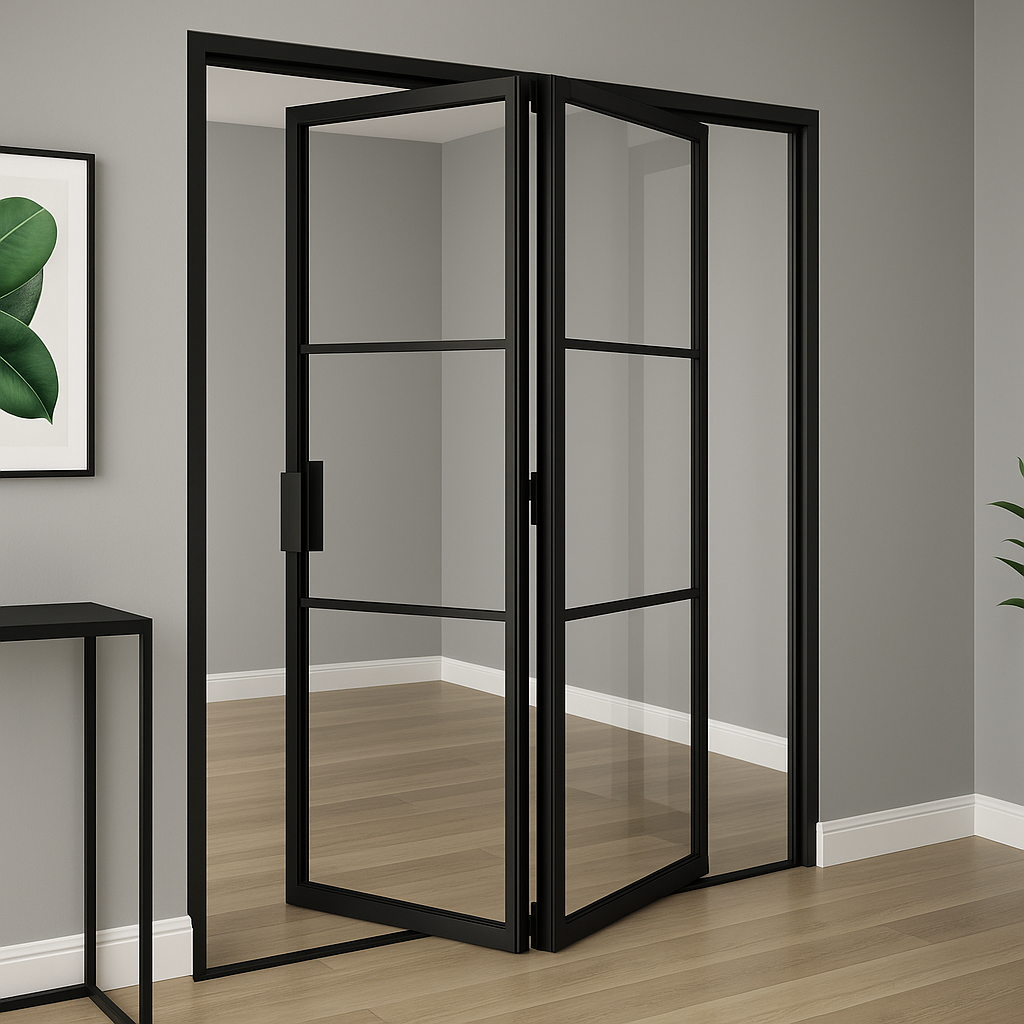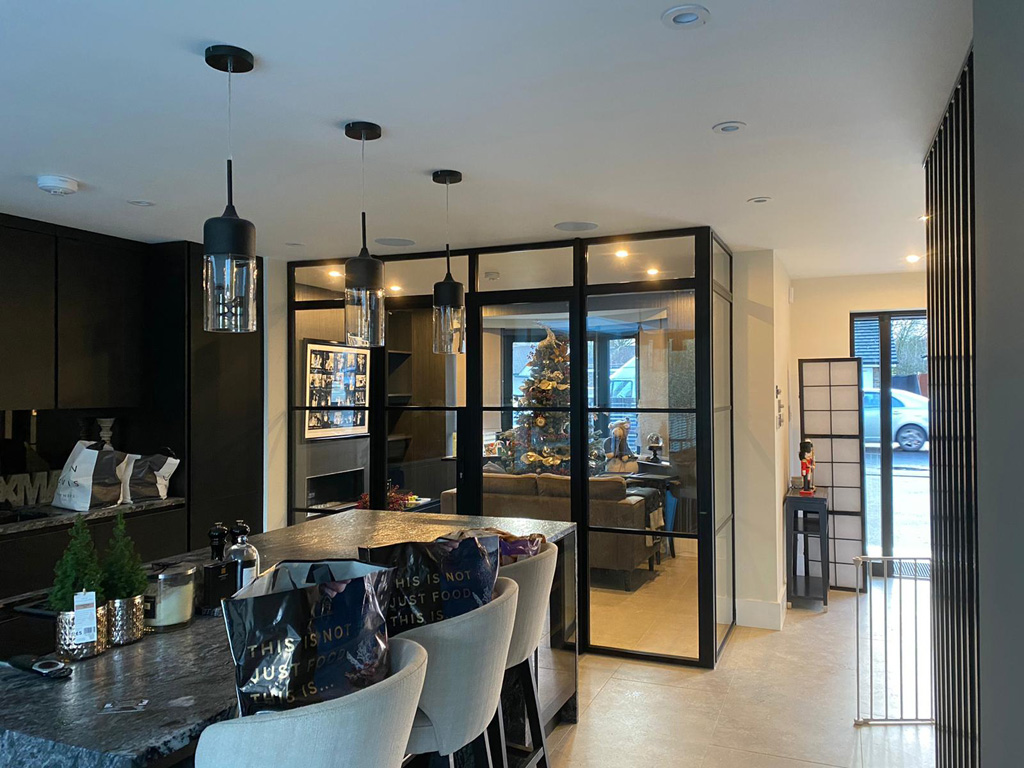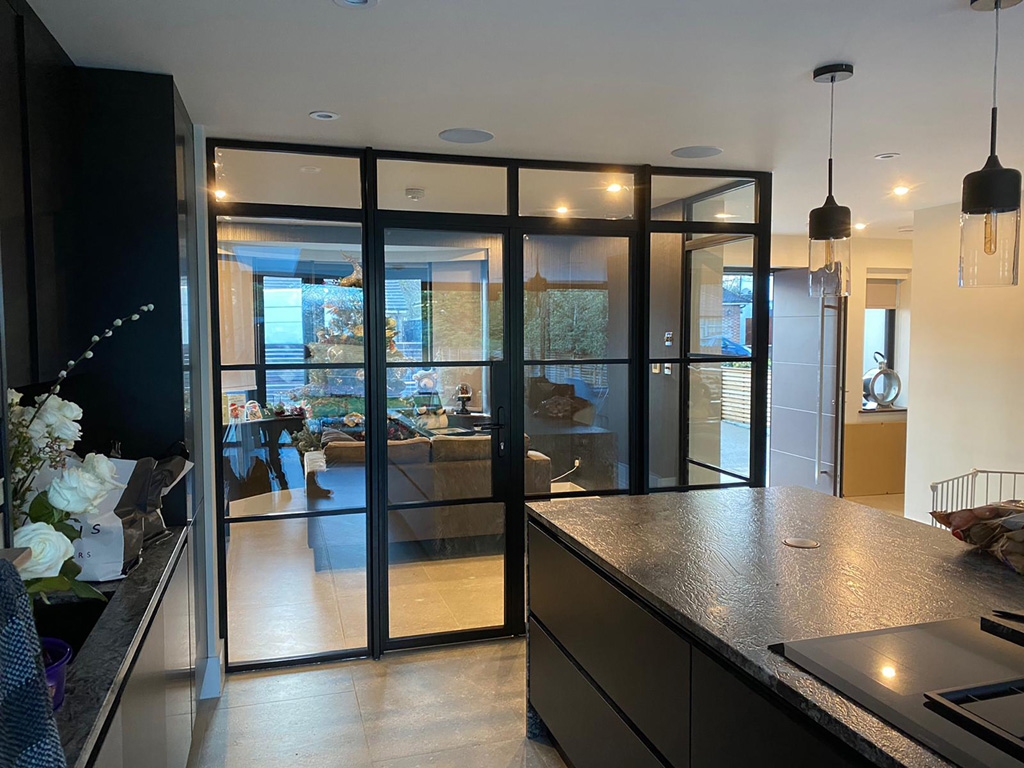
A modern living space featuring sleek black-framed internal french doors that divide rooms while maintaining an open feel.

Open-plan living once felt like the obvious answer. Remove walls, let light flow, create one generous space. But for many homeowners, especially those living in period houses, the reality has been more complicated. Sound carries. Daily life overlaps. Spaces lose their individual character. That is why the dining and living room partition has become such a thoughtful solution. Not as a step backwards, but as a way to regain control over how rooms connect and separate throughout the day. At Jennyfields, we design thoughtfully considered partitions and room dividers that allow dining and living spaces to work together without competing with one another. This is not about closing rooms off. It is about restoring balance. What a Dining and Living Room Partition Really Does A dining and living room partition is often described as a divider, but that undersells its role. In practice, it acts as a regulator, shaping how sound, light and movement pass between two spaces. Good partitions create visual continuity without full physical openness. You remain aware of the adjoining room, but you are no longer subject to everything happening within it. Conversations feel contained. Background noise softens. Each space regains its purpose. This is why a dining and living room partition can feel calmer than a completely open layout. You are not forced to choose between openness and privacy. You are setting the terms of how the two coexist. Why Period Homes Benefit Most From Thoughtful Partitioning Period homes were designed around sequence and proportion. Dining rooms, living rooms and halls each had a role, and the thresholds between them mattered. When those boundaries are removed entirely, homes can begin to feel flatter and less settled. Partitions allow you to improve flow without erasing structure. Instead of rewriting the layout, you refine it. Light is shared more intelligently. Sightlines open up. But the underlying rhythm of the house remains intact. This approach is particularly effective in period and heritage homes, where scale, symmetry and restraint matter just as much as modern performance. Architectural guidance consistently supports this more measured approach to opening up older houses, especially where character and comfort need to coexist. Types of Dining and Living Room Partitions That Work Best Different homes need different levels of separation. The key is choosing a format that supports how you actually live. Internal steel and glass doors Steel-framed glass doors offer one of the most balanced solutions. They provide clear separation when closed, while maintaining light and visual connection. When open, they sit neatly out of the way, restoring a sense of openness for entertaining or family life. They feel architectural rather than temporary, and their weight and precision make them reassuring to use every day. Explore internal steel glass doors designed for long-term use and calm proportions. Fixed glass partitions or internal windows In homes where flexibility is less important than consistency, fixed partitions work beautifully. These are especially effective where one room relies on borrowed light from another, such as a living room behind a brighter dining space. Because they do not move, fixed partitions tend to feel quieter and more settled. They frame views, distribute light and define zones without daily interaction. See how internal steel windows and partitions are used as permanent architectural features. Sliding or bifold partitions Where layouts need to adapt, sliding or bifold partitions allow spaces to change character across the day. Fully open for gatherings. Partially closed for zoning. Fully closed when quiet is needed. This flexibility suits family homes and kitchen-dining-living arrangements, provided the system is engineered to feel solid and smooth in daily use. Explore sliding and bifold room dividers designed to move easily and sit comfortably within period and contemporary interiors. Light, Noise and Everyday Comfort One of the most common concerns with partitions is light. In reality, glass partitions often improve how daylight moves through a home. Instead of stopping abruptly at a wall, light is shared, softening transitions between rooms and reducing contrast. Natural light also has a measurable impact on wellbeing, influencing mood, focus and comfort throughout the day. Noise is more nuanced. No internal partition will create complete silence, but steel-framed systems with the correct glazing noticeably reduce sound transfer. Television noise softens. Conversations feel more contained. The house becomes easier to use when different activities are happening at once. It is these small, cumulative improvements that homeowners notice most. Design Details That Keep Spaces Feeling Calm The success of a dining and living room partition rarely comes down to the headline choice. It is the details that determine whether it feels settled or intrusive. Frame thickness affects how heavy or light the partition feels. Glazing bar layouts should relate to existing windows so the house reads as a whole. Colour choices can help a partition recede quietly or act as a subtle point of definition. This is where bespoke thinking matters. Proportion, alignment and restraint do far more than decoration ever could. When Fixed Is Better Than Flexible Flexibility is often seen as the goal, but it is not always the most comfortable solution. In some homes, a fixed dining and living room partition creates a stronger sense of calm. There is no decision to make, no movement to manage. The boundary simply exists, doing its job quietly. Fixed partitions are often the better choice where: One room is primarily for relaxation Acoustic separation is important The existing layout already flows well Knowing when to stop adjusting a space is part of good design. Planning, Structure and Practical Considerations Before introducing any partition, it is important to understand what you are working with. Load-bearing walls, ceiling heights and existing openings all influence what is possible and what will feel natural. Fire separation and building regulations can also be relevant, particularly in larger renovations. These considerations are best addressed early, when design decisions are still flexible. Working with specialists experienced in adapting existing architecture helps ensure changes feel intentional rather than retrofitted. Frequently Asked Questions Is a dining and living … Read more
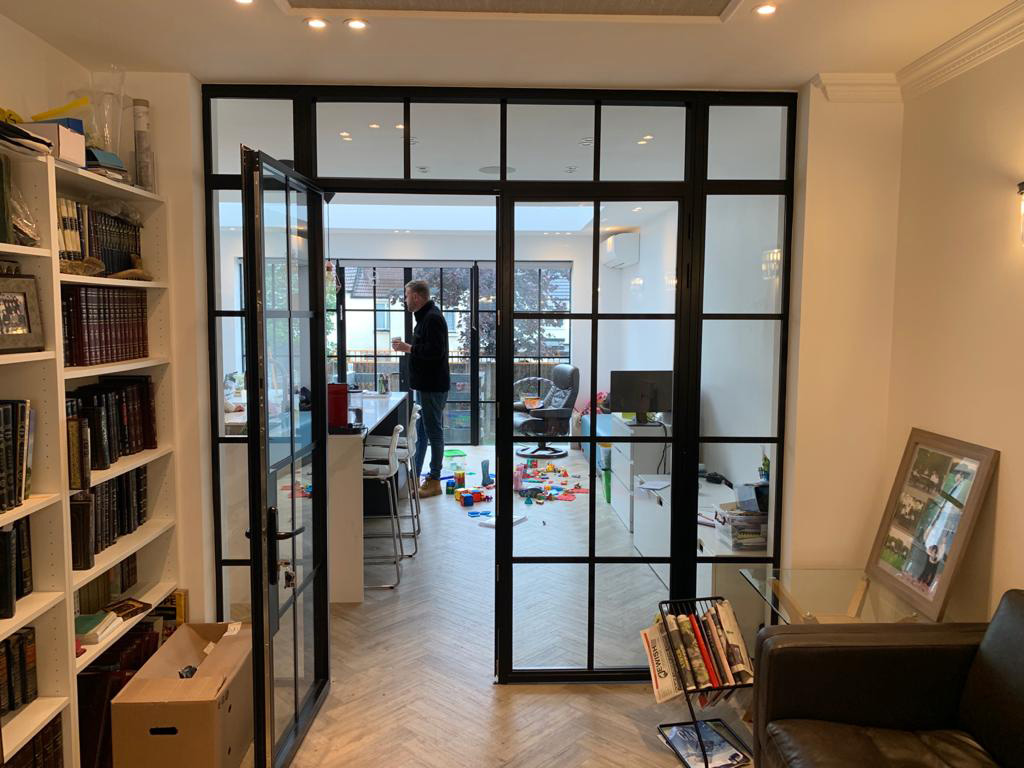
steel room dividers, steel room partitions, room divider

Modern homes are expected to do more than ever — open plan, but also private; bright and airy, yet adaptable. It’s no surprise that more homeowners are looking for ways to shape their interiors without closing them off.  A room divider with door offers that perfect balance: one element that separates spaces when needed but keeps light, rhythm and connection intact. At Jennyfields, we design and install steel and glass partitions that make this flexibility effortless. They bring architectural definition without heaviness, combining practicality with real visual harmony. Why Room Dividers with Doors Work So Well A well-designed divider transforms how a home feels day to day. Instead of solid walls or folding screens, a glazed steel partition provides structure while allowing daylight to move naturally between rooms. It becomes a design feature as much as a functional tool — a way to create balance between openness and intimacy. You can close a door for quiet focus, or open it wide to reconnect a kitchen, living and dining space. The effect is calm and organised, not confined. For heritage homes, this approach feels particularly at ease. The fine sightlines and crisp metal detailing echo the craftsmanship of original steel casements from the 1920s and 30s, while the glazing keeps the sense of air and scale that period interiors need. Keeping Light and Character Intact Steel-framed partitions are as much about atmosphere as function. The narrow profiles allow daylight to reach deep into a plan, creating that gentle transparency that makes spaces feel alive. The frame gives shape and rhythm without competing with architectural details — skirting lines, cornices and architraves remain visible and respected. For homeowners who appreciate nuance, glazing choice makes a difference. Clear glass maintains openness and flow. Reeded or fluted glass introduces privacy and texture, softening the view while diffusing light beautifully. We often recommend a mix: clear panes above eye level, reeded below, for both discretion and luminosity. Colour matters too. Black or anthracite remains timeless, but bronze and warm grey finishes can soften the aesthetic, sitting comfortably in Georgian, Victorian or Arts and Crafts homes where tone and texture are key. Choosing the Right Format for Your Space There’s no single right way to design a room divider with a door. The best format depends on how you live and move through the house. Hinged doors suit smaller openings and rooms that benefit from the reassuring feel of a solid close. They give a sense of permanence and definition — ideal for separating a home office or snug. Sliding doors save space and glide effortlessly across an opening, offering flexibility for family living areas where circulation space is tight. The track can be discreetly integrated above the frame, maintaining clean sightlines. Pocket doors disappear entirely when open, perfect for contemporary extensions or minimal interiors. The look is seamless, yet the glass keeps the light continuous. Bifold configurations open wide for sociable living — kitchens, dining areas or links to garden rooms — where versatility is everything. Whatever the choice, the key lies in proportion. We design every layout to feel balanced and natural to the architecture around it. Blending Practicality with Heritage Sensitivity In Surrey and Hampshire, many homes combine traditional structure with modern extension. A steel and glass divider bridges that divide effortlessly. It preserves the honesty of older materials — plaster, timber, brick — while complementing new ones like polished concrete or oak flooring. Our installations are carried out with care for original fabric. We protect existing mouldings, avoid overcutting plaster, and align frames with architectural sightlines. The result looks as if it has always belonged there. For listed or conservation properties, our team can provide drawings and specifications to support consent applications, ensuring the design feels appropriate to the era while delivering comfort and function. See Historic England’s guidance on maintaining and repairing windows for further insight into working sensitively within heritage settings. Everyday Benefits Homeowners Notice A room divider with door changes how a space behaves: Flexible zoning – create a quiet study, a snug, or a playroom within a single open-plan floor. Light and warmth – glazed partitions let daylight pass while helping manage heat between rooms. Acoustic calm – reduce echo and separate noise from kitchens or work areas. Visual order – fine steel lines bring rhythm and balance, making large rooms feel grounded. And because these dividers are made from powder-coated steel and toughened glass, maintenance is simple — just a soft cloth and mild cleaner. There’s no warping, no repainting, no fading. Planning and Permissions Made Simple Most internal partitions, including steel and glass dividers, don’t require planning permission. For listed buildings, you’ll need Listed Building Consent if the work affects the building’s character. Visit the Planning Portal for official guidance. Every installation is built to current standards for safety glazing and where relevant, accessibility and ventilation are considered in the design stage. Our goal is to keep the process clear, compliant and stress-free. FAQs Can a room divider with door work in a period home? Yes. The fine sightlines of steel glazing harmonise beautifully with traditional proportions. They provide the practicality of separation without the heaviness of a wall. Will a glazed divider make my room darker? No — quite the opposite. The transparent nature of steel and glass room dividers helps daylight reach further into the house, especially in deeper plans or north-facing spaces. How private can they be? Privacy depends on glass choice. Reeded or frosted glass blurs outlines and softens visibility while still letting light through. We often combine clear and reeded glass for the right balance. Are they suitable for listed buildings? Often, yes. Internal works usually require Listed Building Consent, but because our dividers are visually light and reversible, they’re often viewed positively by conservation officers. We’ll guide you through what’s needed — see Historic England’s homeowner guidance for more detail. How long does installation take? Most installations take one to two days once frames are made. Because the work … Read more

A contemporary home facade featuring floor-to-ceiling black steel doors and windows framed against a red brick exterior.

When you live in a period or character home, your windows do more than keep the weather out. They shape the look of your property, frame the light that enters each room, and influence how your home feels day to day. But if your current windows are ageing, draughty, or failing to insulate properly, you may be sacrificing comfort and paying more on your energy bills than necessary. That’s where steel replacement windows come in. They offer the perfect balance: respecting the heritage style of your home while giving you the modern benefits of warmth, efficiency, and security. Why Upgrade to Steel Replacement Windows? The appeal of steel lies in its strength and elegance. Unlike bulkier alternatives, steel allows for exceptionally slim sightlines, meaning more glass and less frame. This keeps your windows looking authentic to their original proportions while allowing more natural light into your rooms. For homes in Surrey — whether Georgian terraces, Edwardian villas, or Arts & Crafts cottages — this slim, timeless style ensures your windows feel like they’ve always belonged. At the same time, you’re gaining all the performance advantages of a brand-new installation. Key benefits of upgrading: Enhanced kerb appeal without compromising historic character. Increased natural light thanks to larger glazed areas. Modern security features integrated discreetly into traditional styling. Energy Efficiency That Works for Your Home Older steel or timber frames often let heat escape, creating cold spots and draughts. Modern energy efficient window technology changes that. Steel replacement windows are fitted with high-performance double or even triple glazing, combined with insulated frames that dramatically improve U-values. The result: A warmer home in winter, cooler in summer. Reduced heating bills thanks to less heat loss. Improved EPC ratings — a bonus if you ever plan to sell your home. When combined with other efficiency upgrades such as improved insulation or draught-proofing, the savings become even more significant. In many cases, homeowners report energy bills dropping by up to 20–25% following a full window replacement project. In short, you don’t have to compromise style for efficiency. You can enjoy the comfort of a snug home while keeping its historic character intact. A Style That Respects Heritage and Elevates Modern Homes One of the greatest concerns homeowners have is whether new windows will look “right” in a period property. With steel replacement windows, this worry is put to rest. These windows are bespoke-made, designed to echo the original detailing of your home. You can choose from: Heritage steel windows that replicate traditional glazing bar layouts. Art deco replacement windows with striking geometric designs. A wide palette of finishes — from classic black to softer neutral tones that echo historic ironwork. Options for glazing: clear for maximum light, reeded for texture, or frosted for privacy in bathrooms and secondary rooms. This attention to detail ensures your new windows preserve your home’s unique charm while adding a subtle architectural upgrade. Comparing Your Options Homeowners sometimes ask whether it’s better to replace steel windows with aluminium. While aluminium is a strong and versatile material, there are differences worth noting: Aluminium frames: good for thermal performance, but often chunkier, which can jar in a heritage home. Steel frames: incredibly strong, so you get slimmer sightlines, larger panes of glass, and a more authentic look. Some people opt for aluminium steel replacement windows as a compromise — but for period properties where authenticity matters, steel offers the most faithful match while still delivering durability and efficiency. Local Expertise Matters If your Surrey home is within a conservation area, or you’ve got a listed property, replacing windows isn’t as simple as choosing a design you like. Local planning rules often require sympathetic materials and styles. That’s where a trusted local partner makes all the difference. Jennyfields has decades of experience in steel window installation across Surrey and the surrounding counties. We understand how to balance planning requirements with your design goals, ensuring your project runs smoothly from consultation to completion. Our team guides you through: Initial design discussions tailored to your home’s character. Technical drawings and proposals for planning approval. Bespoke manufacturing for a perfect fit. Clean, careful installation with minimal disruption. Long-term aftercare and support. Long-Term Value Beyond Style Steel isn’t just a beautiful material — it’s built to last. Powder-coated finishes resist chips and scratches, while toughened glazing stays secure and clear for years. Unlike timber, you won’t have to worry about warping, rot, or repainting. That durability makes steel replacement windows a smart investment. You gain everyday comfort now and add long-term value to your property. Homes with upgraded windows are more appealing to buyers, often achieving higher sale prices and faster sales. FAQs How much more energy efficient are steel replacement windows compared to original frames? They can reduce heat loss significantly, particularly when replacing single-glazed windows. Many homeowners see noticeable drops in heating costs and improved EPC scores. Can I install steel replacement windows in a conservation area or listed building? Yes — but the design must usually be sympathetic to the property’s character. Working with experts who understand local planning makes the process straightforward. Are steel replacement windows available in custom colours and glazing options? Absolutely. You can choose from a full RAL colour chart, as well as glazing types such as clear, frosted, or reeded glass. How long do steel replacement windows last? With minimal maintenance, they can last for decades. The powder-coated finish protects against wear, and steel’s strength means frames won’t sag or distort over time. Will new windows add value to my home? Yes. Buyers are drawn to homes with efficient, stylish windows — especially when those windows enhance heritage character while lowering energy bills. Ready to Upgrade? Replacing your windows is a big decision, but with Jennyfields it’s an investment you can feel confident about. From design and planning through to installation and aftercare, we specialise in steel replacement windows that transform homes across Surrey. If you’re ready to combine heritage style with modern performance, get in touch today … Read more

internal steel bifold door

There’s a growing desire in modern homes for smart space and flexibility. Homeowners want light-filled interiors that feel open and expansive, yet still provide comfort, definition and privacy when needed. The challenge lies in finding architectural solutions that let you do both: connect and separate, open and close, blend and divide. That’s where internal bifold doors with glass come in. At Jennyfields, we design our doors to help people reimagine how their homes feel and function. From large family kitchens to studio flats and converted period properties, internal bifold doors with glass bring structure, flow and light, all in a format that folds away when not in use. This guide explores what makes them so effective, and how to use them with confidence in any contemporary space. What Are Internal Glass Bifold Doors? An internal glass bifold door consists of a series of glazed panels connected by hinges, which fold neatly to one side when opened. Unlike sliding doors, which typically move one panel behind another, bifolds fold back entirely, opening up the entire width of a doorway or partition. The result is a door that offers maximum flexibility. You can close the doors for acoustic separation and heat control, open them partially for soft zoning, or fold them right back for a seamless connection between two rooms. At Jennyfields, our internal bifold doors with glass are built from slender steel frames and architectural glazing, combining durability and clarity in a format that’s both bold and unobtrusive. The Balance of Openness and Separation Open-plan living has its strengths, particularly in terms of light, social connection and flow, but it isn’t always practical. Noise travels, cooking smells linger, and sometimes you simply want a bit of privacy or quiet without losing the sense of space. That’s where internal bifold doors with glass excel. They let you close off part of a room without cutting it off entirely. You can maintain sightlines, share light between zones, and soften acoustics without shutting yourself in. As Kate Wiltshire Design notes, one of the smartest ways to zone a space is by using architectural features that “break through”, things that suggest boundaries without making them feel rigid. Bifold glass doors are the perfect expression of that philosophy. Where Internal Glass Bifold Doors Work Best These doors are remarkably versatile, but some spaces benefit from them more than others. Popular placements include: 1. Between Kitchens and Living Rooms This is one of the most popular uses for internal bifold doors with glass. When closed, they act as a barrier between the smells, noise, and activity in the kitchen, ideal for families or those who entertain regularly. Yet when folded back, they re-establish that free-flowing, sociable connection that open-plan spaces are known for. They allow a kitchen to be hardworking during meal times, and seamlessly part of the wider space when guests arrive. 2. Home Offices or Studies With more people working from home, the need for quiet, focused workspaces has become essential. Internal bifold doors with glass can section off the home office space and reduce noise from elsewhere in the house, without making it feel claustrophobic. The glass panels also let in natural light and maintain a connection to the rest of the home. This provides a psychological boost when working long hours, and once the day is done, the doors can be folded open to reintegrate the space into everyday living. 3. Hallways and Dining Spaces Connecting transitional spaces like hallways to communal rooms such as dining areas is a smart way to encourage flow while maintaining visual structure. Bifold glass doors in this context can act as a soft barrier, allowing light to travel down hallways while still giving the dining space a defined boundary. During gatherings, the doors can be opened to encourage easy movement. On quieter days, closing them creates a cosier, more intimate setting. 4. Bedroom to Dressing Area or En Suite Privacy is still important in these zones, but that doesn’t mean blocking them off entirely. Reeded or frosted glass panels let you introduce bifold doors that offer discretion while sharing light and a sense of volume. This setup is particularly effective in master suites or converted loft spaces, where a single open-plan floor might include sleeping, bathing, and wardrobe zones all in one. Bifold doors help define those areas without the need for permanent walls. 5. Loft Conversions and Garden Rooms These spaces often have unique layouts, sloping ceilings, unusual sightlines, or deep structural beams. Internal bifold doors with glass provide the perfect solution for working with such quirks. In lofts, they help split bedrooms from landing areas, or reading nooks from storage. In garden rooms or home offices, they provide warmth and enclosure in colder months and can be opened to expand the space during warmer ones. The flexibility adds year-round usability. In short, any area where you’re trying to achieve both openness and enclosure at different times is a strong candidate. Amplifying Light and Space The key benefit of including glass in a bifold door system is the way it distributes light. In deep-plan layouts or older homes where natural light is often concentrated at the front or rear, internal glass bifold doors help to share that light throughout the property. They act as transparent walls, letting light bounce between zones while still creating functional separation. When paired with mirrors, reflective floors, or pale colour schemes, the impact is even stronger. This effect is particularly noticeable in terraced homes or flats, where corridors and living spaces are traditionally divided into smaller rooms. Removing those barriers entirely can feel too stark or too exposed, but swapping a solid wall for bifold glass panels brings light and openness without making the space feel formless. How They Support Contemporary Lifestyles More than ever, homes are expected to perform multiple roles. They’re offices, gyms, schools, sanctuaries and entertainment spaces. Flexibility has become a necessity. Internal bifold doors with glass let you redefine how a space functions in seconds. You … Read more

room partition dividers

Open-plan living is a popular design trend, particularly in modern homes, as it offers a sense of space, light, and connectivity. However, an open concept can also create challenges, such as a lack of privacy, noise control, and difficulty in defining distinct areas.  Room partition dividers offer a flexible solution to these challenges by introducing structure to an open-plan layout without sacrificing its spaciousness.  In this post, the experienced team at Jennyfields will explore how room partition dividers can transform your living space, enhance functionality, and add style to your home.   Why Open-Plan Living Needs Flexible Design Solutions The Benefits and Challenges of Open-Plan Layouts It is estimated that around 6.25 million households in the UK feature open plan designs, so this type of layout obviously has benefits that make it a popular choice among homeowners.  In particular, open-plan living spaces are favoured for their bright, airy feel and the way they allow light to flow freely throughout the home. They are ideal for creating a social environment, where family members can interact easily across a shared space. This style also enhances the sense of connection between the kitchen, living, and dining areas, making it perfect for modern lifestyles. However, the openness of these spaces can also bring certain drawbacks and challenges: Without walls to separate rooms, managing noise can be difficult. Lack of privacy can be an issue, especially in homes with multiple occupants.  The absence of clear boundaries can make it challenging to define specific areas for different activities, such as working, relaxing, or entertaining.  An open plan room may be harder and more expensive to heat than smaller, enclosed rooms. These challenges are where room partition dividers come into play, offering a practical way to separate spaces while maintaining the flow and openness of the home. At Jennyfields, we specialise in creating custom room partition dividers that balance functionality with style, enhancing any living space.  Creating Defined Spaces without Compromising Flow Room partition dividers are an excellent way to define different areas within an open-plan home without closing off spaces entirely. They provide flexibility, allowing you to create temporary or semi-permanent zones for specific activities.  For example, a divider can section off a home office within a larger living room or separate a dining area from the kitchen. Unlike permanent walls, these dividers are adaptable, allowing homeowners to adjust or remove them as needed. Slimline sliding dividers, for instance, can easily create privacy or open up a space depending on your requirements at any given time. With the right partition, you can maintain an open, airy feel while still offering the functionality of a defined space. Jennyfields’ bespoke steel room dividers offer just that, blending seamlessly with your home’s aesthetic while providing practical separation.   Types of Room Partition Dividers for Open-Plan Living Sliding Glass Partitions One of the most elegant and popular options for dividing open-plan spaces is the sliding glass partition. Glass dividers with minimal metal frames allow for separation without sacrificing natural light or a sense of openness. They are perfect for creating visual boundaries between spaces while keeping an airy, connected feel throughout the home. In addition, their sleek design makes them ideal for modern interiors. Sliding glass partitions are especially useful for dividing living areas from kitchens or dining rooms, as they offer the flexibility to open up the space when needed or close it off to create more intimacy. Jennyfields offers customisable sliding glass room partition dividers, which can be tailored to fit any space and design preference, ensuring that your partition is both functional and stylish. Decorative and Functional Dividers Room partition dividers can also serve as decorative features that enhance the style of a room. Elegance Echoes and Aspect Wall Art offer innovative examples of dividers that can serve as inspiration. Options such as shelving units, artistic screens, or decorative panels not only separate spaces but also add character to a room. Shelving units, for example, are a popular choice for dividing living spaces because they provide both storage and an aesthetically pleasing design element. These units can be customised to fit the style of your home, offering a balance between function and decoration. Some of the best ideas for room partition dividers include minimalist designs that double as art pieces or functional storage solutions that add personality to your home. The right choice of a room divider can dramatically impact both the functionality and the aesthetics of a space, helping to define areas while adding a design feature to the room.   How Room Partition Dividers Enhance Functionality Optimising Space in Smaller Homes In smaller homes, the need for distinct zones within an open-plan layout is even greater. Without clear boundaries, these spaces can quickly feel cluttered or chaotic. Room partition dividers are an effective way to create different zones for various activities, such as dining, working, or relaxing, while still making the most of the available space. For example, in a London city-centre apartment, a room divider can help separate a sleeping area from the living room without taking up too much floor space. Jennyfields offers compact, space-saving room divider solutions that are ideal for smaller homes, helping to make every square metre more functional. By using dividers that are easy to adjust or move, you can create flexible spaces that meet your changing needs throughout the day. Improving Aesthetics and Style In addition to their functional benefits, room partition dividers can enhance the overall aesthetic of your home. By choosing a stylish divider that complements your décor, you can elevate the design of your living space. From sleek, modern glass partitions to artistic wooden panels, there are countless options for adding style and personality to your home. Creative divider designs, such as those featured in this Dezeen lookbook, offer homeowners a range of options for making their living spaces more visually interesting. Whether you opt for a modern steel partition or a more decorative, intricate sliding panel, the right room divider can serve as … Read more

room divider partition

As open-plan living continues to grow in popularity, the demand for room divider partitions has surged. These versatile additions can transform any space by adding privacy, defining areas, and enhancing your home’s aesthetic appeal – all without the need for major structural changes.  But with so many options available, how do you choose the perfect room divider partition for your needs?  In this guide, we’ll walk you through everything you need to know, from understanding the basics to exploring styles, materials, and how to seamlessly integrate them into your space.   Understanding Room Divider Partitions and Their Benefits What is a Room Divider Partition? A room divider partition is a practical and stylish solution for dividing spaces within your home. Unlike walls, which are permanent and require significant alteration, room dividers are flexible and non-invasive. For this reason, room divider partitions are said to allow broken plan living. They come in various forms, including freestanding screens, sliding panels, folding dividers, and fixed partitions. Partitions can serve multiple purposes, from providing privacy to creating distinct zones within a larger area. In the UK, where open-plan homes have become the new normal, space multifunctionality is increasingly important for homeowners, making room divider installation an ideal choice. Key Benefits of Using a Room Divider Partition Room divider partitions offer a range of benefits that go beyond simple space division. For example, they: enhance privacy, especially in large rooms where different activities occur simultaneously. allow for better space management by creating functional zones, for example separating a living area from a dining space, or a home office from the rest of the room.  add a layer of design appeal, whether through bold colours, intricate patterns, or sophisticated materials that complement your home’s interior.   Factors to Consider When Choosing a Room Divider Partition 1. Purpose and Functionality Before selecting a room divider partition, it’s crucial to identify its primary purpose. Are you looking to enhance your privacy, divide space, or simply add a decorative element? Understanding the function will guide your choice of partition. For instance, if privacy within a busy household is the main concern, opt for a solid or semi-transparent divider, perhaps made with soundproof glass. On the other hand, if the goal is to delineate space without blocking light, a glass or slatted partition might be more suitable. Meanwhile, if enhancing the room’s aesthetics is the main aim, material choice will be primarily important for visual appeal, rather than for functionality. Jennyfields offers a wide range of customisable partitions and room dividers that cater to both functional and aesthetic needs, ensuring you find the perfect match for your home. 2. Material and Style The material and style of your room divider partition significantly impact its overall effect. Common materials include: Glass, which allows light to pass through, maintaining an airy feel while still defining spaces. Wood, which provides warmth and texture that is well-suited to traditional or rustic interiors.  Metal such as steel, which offers durability and a sleek finish for a modern or industrial look. When selecting a style, consider how it will complement your existing décor and home aesthetic. The experts at Jennyfields specialise in creating partitions that align with your home’s style, ensuring that the new addition feels like a natural part of the space. 3. Size and Placement Choosing the right size and placement for your room divider partition is essential for achieving the desired effect. Start by measuring the area where the partition will be installed. The partition shouldn’t be too large, which could overwhelm the space, or too small, which may not serve its intended purpose.  The placement should also align with the room’s flow, guiding movement naturally while separating areas. In open-plan homes, strategically placed partitions can create cosy nooks without disrupting the overall openness. 4. Natural Light and Ventilation One key challenge when installing room divider partitions is maintaining the flow of natural light and air. Fortunately, glass partitions, especially those with frosted or clear panels, are perfect for keeping spaces bright while providing separation. Similarly, slatted or louvred dividers allow air to circulate freely, making them ideal for rooms that require ventilation. When planning your partition, consider how it will affect light and airflow, and choose a design that enhances these aspects. 5. Flexibility and Mobility If you anticipate needing to change your room layout frequently, flexibility is key. Mobile partitions, such as folding screens or sliding panels, offer the versatility to adapt your space as needed, which is particularly useful for renters or in multi-purpose rooms. For example, you can open up the space during gatherings and close it off for more intimate settings or confidential work meetings. On the other hand, fixed partitions are ideal for creating a permanent division within a room, such as separating a bedroom from a dressing area. They can be designed to match a room’s existing features, providing a cohesive look that blends seamlessly with your home’s architecture.  At Jennyfields, we provide both fixed and flexible room dividers to meet varying needs, ensuring your partition can evolve with your space.   Why Jennyfields is the Best Choice for Your Room Divider Partition More than 40 Years of Expertise  With decades of experience creating bespoke home solutions, Jennyfields stands out as a trusted provider of room divider partitions in Surrey and the South East. Our expertise allows us to craft partitions that are not only functional but also aesthetically pleasing and tailored to meet the unique needs of each client. Customisable Options  When it comes to room divider partitions, one size doesn’t fit all; Jennyfields understands that every home is unique, which is why we offer fully customisable partitions and room dividers. From selecting materials and finishes to deciding on the perfect size and style, our bespoke service ensures that your partition is tailored to your exact specifications. Explore our range of options and find out more on our Partitions and Room Dividers page. Quality Assurance and Long-Term Benefits At Jennyfields, quality is our top … Read more

Download Our Brochure!

Explore our collection of steel windows and doors. Download our brochure for inspiration and design options.

Popup form
Name
Name

Download Our Brochure!

Explore our collection of steel windows and doors. Download our brochure for inspiration and design options.

Popup form
Name
Name