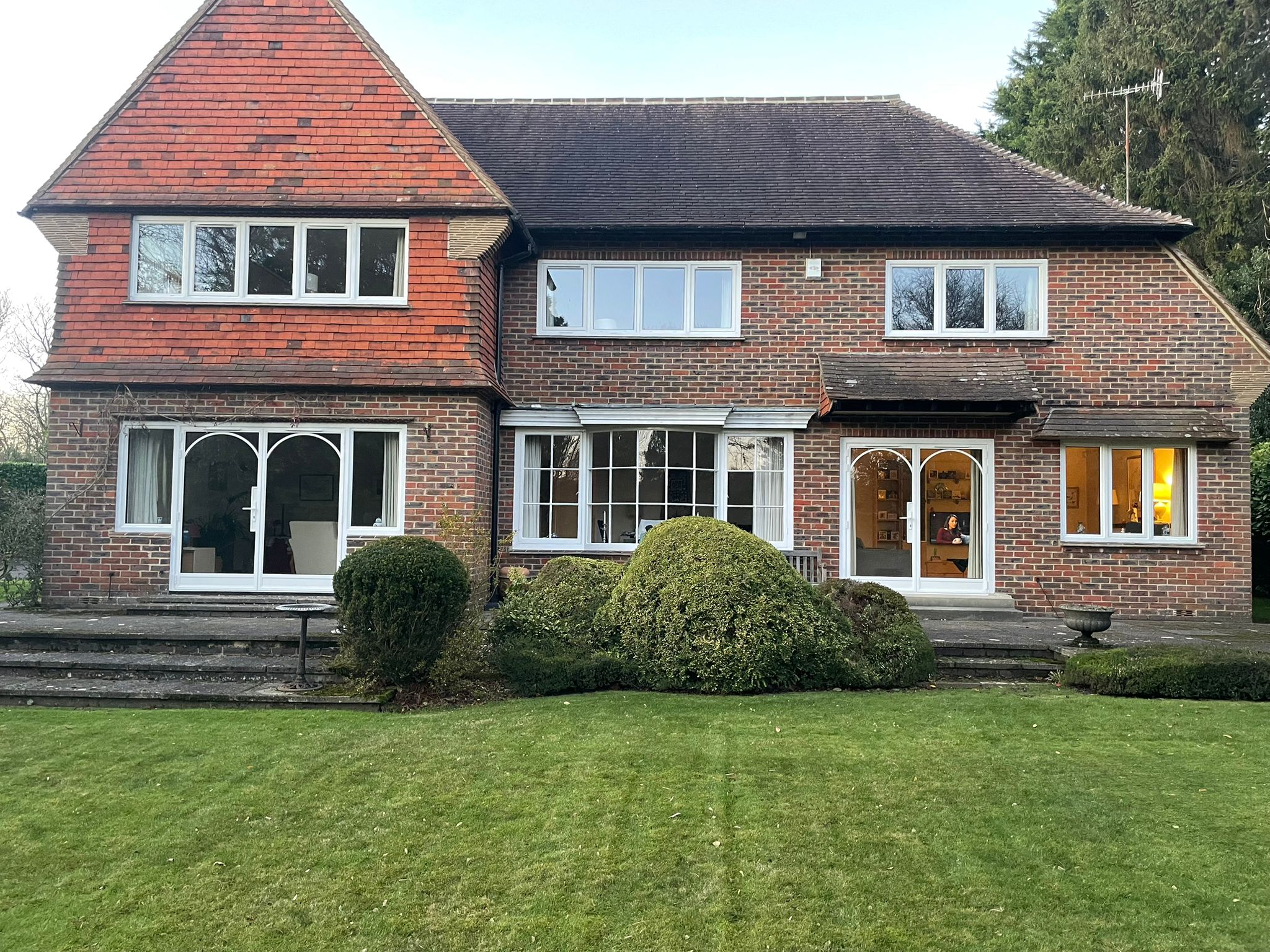
installing aluminium windows

If you’re wondering whether to replace steel windows with aluminium, now is often the best time to act. Old steel frames rarely fail neatly, they tend to deteriorate until you are forced into quick decisions. Choosing thermally-broken, steel-look aluminium while you still have time to plan helps you protect the look of your home, improve comfort and usability, and manage permissions and compliance paperwork properly. This article is for homeowners in period and character properties with older steel frames (often single glazed) that are draughty, corroded, or difficult to operate. Jennyfields works across Surrey and surrounding counties, and you can see options in person at our Farnham showroom (details on our contact page). Planning and Building Regulations references are based on England and Wales, but local approaches vary, so the safest habit is always to check with your local authority. One important point before we get into it: in some heritage contexts, conservation bodies often prefer repair-first where windows are significant and capable of being conserved. Replacement can still be appropriate, but it needs a clear justification and careful specification. Why now is often the best time ‘Now’ does not mean ‘panic’. It means acting while you still have options. Steel frames tend to drift from ‘a bit tired’ to ‘a real problem’ in ways that are easy to underestimate. Once paint systems fail, corrosion can accelerate. Hardware can become unreliable, openings get harder to use, and you may start living around the windows rather than enjoying them. If condensation is part of the picture, cold metal and leaky junctions can make it harder to keep internal surfaces warm enough to avoid moisture settling, especially if you’ve been closing vents and blocking draughts just to stay comfortable. There is also a practical ‘paperwork’ reason. If you plan the project, you can follow the right compliance route and keep a clean file of documents that often matter later (especially when selling). You also have time to get the look right, which is the part most people regret when it is rushed. What ‘replacing steel windows with aluminium’ actually means When people ask about replacing steel frames with aluminium, they usually mean fitting slim aluminium windows engineered to mimic steel. You’ll also see them described as ‘steel-look aluminium’, ‘steel replacement windows’, or even ‘Crittall-style’ as a generic market shorthand. What changes is not just the material. A true replacement typically updates the glazing unit, the seals, and the hardware as well. That matters, because the comfort and usability gains usually come from the whole package working together, not from aluminium on its own. If you want a feel for what the category looks like in practice, start with Jennyfields’ overview of steel window replacements. What a thermal break is, and why it matters in aluminium replacements A thermal break is an insulating barrier inside the frame that separates the internal and external parts of the aluminium profile. Many systems use polyamide for this barrier. In plain English, it is the bit that helps stop metal acting like a direct ‘bridge’ for heat. That does not magically solve condensation (humidity and ventilation still matter), but it can reduce the conditions that make cold surfaces and uncomfortable edges more likely. If you want the mechanics explained clearly, Exlabesa’s guide to a polyamide thermal break is a helpful reference. Can you always replace steel windows with aluminium in the UK? Often, yes, but it is not something to assume without a quick permissions check. For many homes, window replacement can fall under permitted development, particularly where the appearance stays similar. But the moment your property is listed, in a conservation area, subject to an Article 4 Direction, or you are changing the look in a visible way, the route can change. A good first read is the Planning Portal’s guidance on planning permission for doors and windows. It gives the baseline and shows where the exceptions tend to bite. Conservation areas and Article 4 Directions: what homeowners need to know A conservation area does not automatically mean you need planning permission for every change, but it does mean the local authority is more likely to be sensitive to visible alterations. An Article 4 Direction is especially important because it can remove permitted development rights. In practice, that can turn a ‘normally permitted’ window change into one that needs formal permission. Historic England’s advice on repairing or changing windows in an older home is a sensible place to ground your expectations, because it speaks directly to the way character and permissions interact. If you want to see an example of how specific some councils can be, Lewisham’s page on replacement windows in conservation areas and listed buildings shows the kind of information local authorities sometimes publish. Listed buildings: is window replacement allowed at all? Listed buildings often require listed building consent for changes that affect character. In many cases, the expectation is that you assess what is significant, conserve what can reasonably be conserved, and justify replacement only where it is necessary and appropriate. Historic England’s technical guidance on modifying historic windows as part of retrofitting energy-saving measures is worth reading if your home is listed or you suspect it may be. The step-by-step process for replacing steel windows with aluminium (done properly) A good project is survey-led and calm. It starts with understanding the openings and the constraints, then deciding on the look, and only then moving into specification and manufacture. In practice, you will usually go through: an initial conversation and photo review, a site survey and measurements, design choices (sightlines, bar layout, openings, hardware, finish), any permissions and drawings if needed, manufacture and finishing, then installation, making good, snagging, and handover. If you want the Jennyfields view of the category and what is involved, the steel replacement windows page is the most direct starting point. How to keep the ‘steel look’ right: sightlines, proportions, and details This is where most replacements either succeed or disappoint. The ‘steel look’ is built on proportions. If … Read more
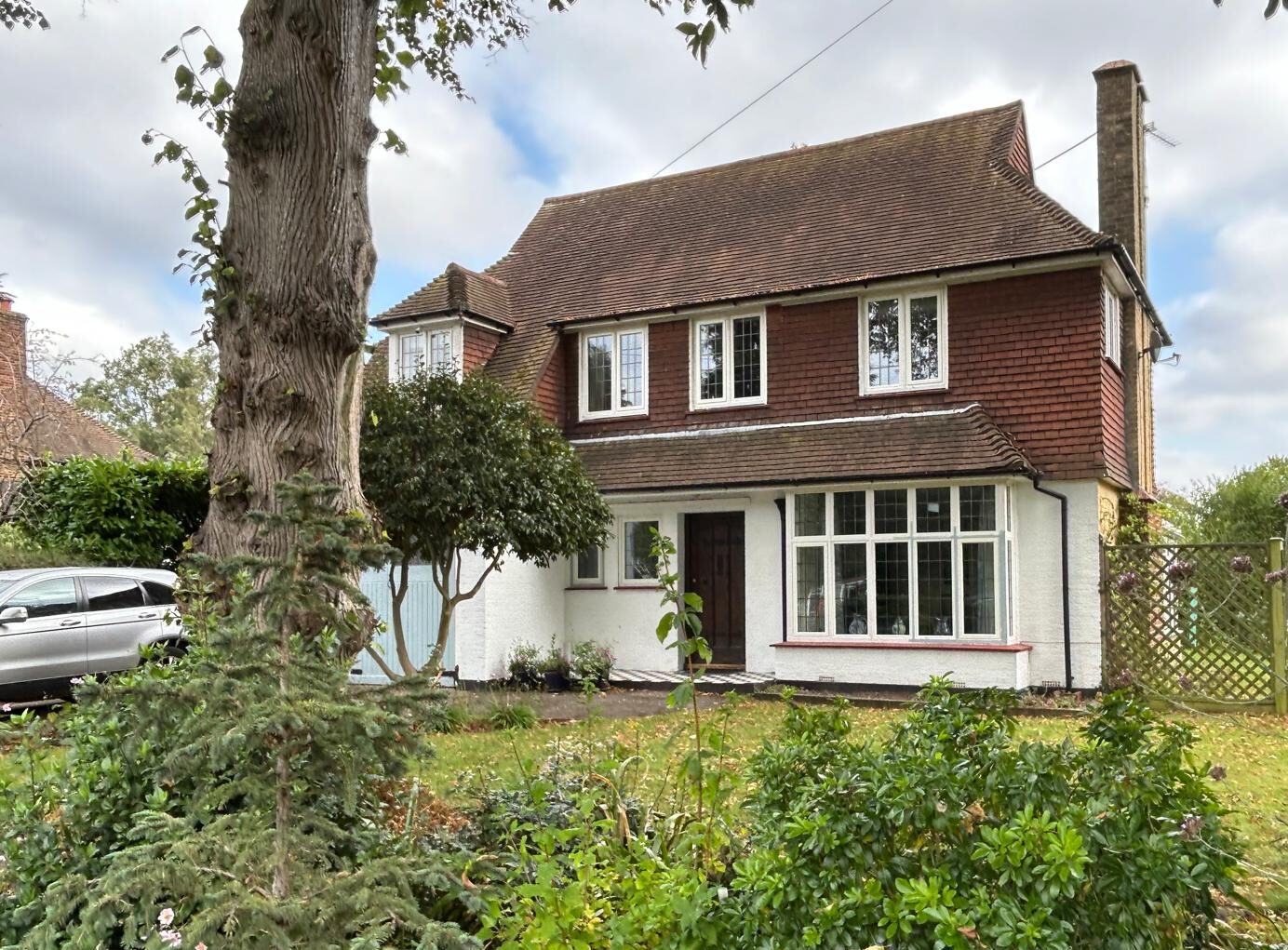
A traditional two-story home featuring heritage windows and replacement aluminium windows that preserve its period charm.

Winter is when homes reveal their weak points. Cold air gathers near windows. Condensation appears overnight. Certain rooms never quite warm up, no matter how high the heating is set. These issues often go unnoticed through spring and summer, but once temperatures drop, they become impossible to ignore. For homeowners living in period properties or carefully designed extensions, improving winter comfort can feel like a balancing act. Performance matters, but so does proportion. This is where slimline aluminium windows have become an increasingly thoughtful choice. At Jennyfields, we’ve spent decades helping homeowners across Surrey and the South East improve comfort and performance without compromising architectural character. This is not about short-term fixes. It’s about preparing your home properly for winter, year after year. What Makes Slimline Aluminium Windows Different “Slimline” isn’t a marketing flourish. It’s a direct result of aluminium’s structural strength. Because aluminium is inherently rigid, frames can be significantly thinner than timber or uPVC alternatives while still supporting high-performance glazing. That reduction in frame width has two important effects. First, it increases the glazed area, allowing more light into the room. Second, it preserves visual balance, which is particularly important in older homes where bulky frames can disrupt original proportions. With slimline aluminium windows, the goal is restraint. The frames sit quietly within the architecture, doing their job without drawing attention to themselves. Why Windows Matter So Much in Winter Windows are one of the most common sources of heat loss in UK homes. Older glazing, tired seals and warped frames allow warmth to escape and cold air to creep in, often unnoticed until winter arrives. Typical signs include: Draughts around window edges Cold surfaces near seating areas Persistent condensation on glass or frames According to the Energy Saving Trust, heat loss through windows can account for a significant portion of a home’s overall energy inefficiency, particularly in older properties. Addressing window performance is often one of the most effective ways to improve winter comfort without altering the structure of the building. How Slimline Aluminium Windows Improve Winter Comfort Modern slimline aluminium systems are designed to perform well beyond older window standards. Thermally broken frames reduce heat transfer. Advanced glazing units retain warmth more effectively. Airtight seals limit draughts and help stabilise internal temperatures. The difference is felt rather than seen. Rooms heat more evenly. Cold zones near windows disappear. Condensation becomes far less common because internal surfaces stay warmer. When specified correctly, slimline aluminium windows meet current UK performance requirements while maintaining their refined appearance. They offer warmth without visual compromise. Light Still Matters in the Darker Months Winter isn’t only about temperature. Reduced daylight has a noticeable impact on how homes feel and how people use them. Slimline frames allow more natural light to enter the home, which can make a significant difference during shorter days. Brighter interiors reduce reliance on artificial lighting and help spaces feel more open and usable, even in midwinter. There’s also a wellbeing aspect. Studies consistently link access to natural light with improved mood and focus, something that becomes especially important during the colder months. Slimline Aluminium Windows in Period Homes and Extensions In period homes, winter upgrades often raise concerns about appearance. Bulky modern frames can feel at odds with traditional elevations, even if their performance is strong. Slimline aluminium windows avoid this problem by keeping sightlines fine and proportions controlled. They often sit more comfortably within traditional façades than heavier alternatives, making them suitable for Victorian, Edwardian and Arts and Crafts properties when detailed carefully. They also perform well in contemporary extensions, where larger openings and garden-facing glazing need to remain comfortable throughout winter. Aluminium’s stability means frames don’t shift or warp as temperatures change, helping old and new parts of the home feel consistent year-round. We explored this balance in more detail in our guide to high-end aluminium windows and long-term performance, which looks at how aluminium bridges heritage architecture and modern living. Durability When the Weather Turns Winter is hard on materials. Moisture, frost and repeated temperature changes quickly expose weaknesses. Aluminium performs well in these conditions. It doesn’t swell, rot or crack, and high-quality powder-coated finishes are designed to withstand prolonged exposure to damp and cold. Hinges and mechanisms remain stable, even with frequent use. This durability makes slimline aluminium windows a long-term solution rather than a seasonal fix. Maintenance is minimal, and performance remains consistent year after year. Planning Ahead Makes the Difference Winter-proofing works best when it’s planned, not rushed. Assessing draughts, condensation and heat loss before the coldest months arrive allows for better decisions around specification and detailing. Upgrading windows isn’t just about the glass. Frames, seals and installation quality all play a role in how well a window performs once winter sets in. If you’re considering an upgrade and would like advice grounded in experience rather than sales pressure, you’re welcome to get in touch for a design-led conversation. Preparing Your Home for Winter, Properly Winter comfort isn’t created through one dramatic change. It comes from removing the small frustrations that build up over time, cold draughts, condensation, rooms that never quite feel settled. Slimline aluminium windows address these issues quietly and effectively. They improve warmth, light and durability while respecting the architecture they sit within. Done well, they make winter feel less like something to endure and more like a season your home is ready for.

heritage aluminium windows

Windows do more than frame a view. They shape how warm your home feels on a winter morning, how quiet it is at night, and how comfortably older parts of a house connect with newer additions. In period homes and carefully designed extensions, that balance matters more than ever. High end aluminium windows have become a considered choice for homeowners who want long-term performance without compromising architectural integrity. Not because aluminium is fashionable, but because when it is designed properly, it solves problems that traditional materials often struggle with. Drafts, maintenance, noise and visual heaviness quietly fall away. This is not about chasing a trend. It is about choosing windows that will still feel right decades from now. What Defines a High-End Aluminium Window Not all aluminium windows deserve to be called high end. The difference lies in proportion, precision and how the system is made to work with the building rather than sit on it. A well-designed aluminium window uses the material’s inherent strength to keep frames slim and sightlines controlled. That strength allows more glass and less visual interruption, which is especially important in older homes where original window proportions were never bulky. Lower-quality aluminium systems often rely on thicker sections and generic detailing, which can feel clumsy or out of scale. High end aluminium windows are engineered, not assembled. Corners are tightly mitred. Gaskets are discreet. Opening mechanisms feel smooth and deliberate. Powder-coated finishes are even and durable, designed to age quietly rather than peel or fade. Glazing specification matters just as much. Carefully selected double or triple glazing, warm-edge spacers and appropriate cavity depths are what turn a good-looking window into one that performs consistently year after year. This is where high end aluminium windows earn their reputation. They are judged not on installation day, but on how they live with you long afterwards. Why Aluminium Works Across Old and New Architecture One of aluminium’s greatest strengths is its adaptability. In period homes, it can echo the slimness and rhythm of traditional metal or timber windows without pretending to be something it is not. In contemporary extensions, it offers clean lines and generous glazing that feel structurally confident rather than over-engineered. This adaptability becomes particularly valuable when a home spans more than one architectural era. A Victorian or Edwardian house with a modern rear extension, for example, often struggles at the point where old meets new. Aluminium windows can provide a visual link across both parts of the building. Slim frames respect the original façade, while larger openings and minimal detailing support the modern addition. Rather than drawing attention to the join, aluminium allows the architecture to read as a whole. We see this approach working especially well in Surrey homes, where heritage front elevations sit alongside contemporary garden-facing spaces. Aluminium holds its line and lets the building speak. Performance You Feel Every Day It is easy to focus on specifications, but performance is ultimately measured in daily experience. High end aluminium windows significantly improve thermal consistency. Cold spots near glazing reduce. Condensation becomes less of an issue. Rooms feel easier to heat and maintain. When specified correctly, aluminium systems comfortably meet current UK Building Regulations under Part L, delivering insulation levels far beyond those of older steel or single-glazed timber windows. Acoustic performance is another noticeable improvement. Traffic noise softens. Outside sounds become distant rather than intrusive. In busy towns or near main roads, this can change how rooms are used altogether. Security is equally important, though rarely obvious. Modern aluminium windows incorporate multi-point locking, robust hardware and laminated glazing options that meet recognised UK security standards. The reassurance is there, without visual bulk. These benefits do not announce themselves. They simply make your home calmer, warmer and easier to live in. Longevity as a Design Decision Choosing aluminium is often about what you avoid as much as what you gain. Unlike timber, aluminium does not swell, crack or rot. Unlike uPVC, it does not discolour or soften over time. High quality powder-coated finishes need little more than occasional cleaning to stay looking sharp. There is no repainting cycle to plan around, no gradual decline to manage. From a sustainability perspective, this longevity matters. Aluminium is fully recyclable and retains its structural properties indefinitely. Investing in windows designed to last several decades reduces replacement cycles, material waste and long-term disruption to your home. In practical terms, this often makes high end aluminium windows more cost-effective over their lifespan than cheaper alternatives, even if the initial outlay is higher. You make the decision once, then enjoy the results. Where High-End Aluminium Windows Shine Most While aluminium is versatile, certain applications consistently show its strengths. In period homes, aluminium works beautifully as a replacement for tired steel or timber windows where slim proportions are essential. Bay windows, large sash-style openings and multi-pane arrangements all benefit from aluminium’s strength and visual lightness. In contemporary extensions, aluminium allows wide openings and large panes of glass without heavy framing. Sliding doors, picture windows and corner details feel calm and well balanced, strengthening the connection between inside and out. Garden rooms, studios and home offices also benefit. Aluminium handles temperature changes and exposure with ease, keeping spaces comfortable and visually refined throughout the year. Across Surrey and the South East, aluminium is often chosen where homeowners want architectural clarity without anything that feels overly industrial or stark. Design Choices That Make the Difference Material choice is only the beginning. The details determine whether a window feels resolved. Colour selection is one of the most important decisions. Deep bronzes, soft greys and heritage-inspired tones sit comfortably alongside brick and stone, while darker architectural shades sharpen contemporary additions. High quality powder coating ensures these finishes remain consistent over time. Glazing choices affect more than insulation. Clear glass maximises light and views. Subtle tinting can reduce glare. Obscure or reeded glass offers privacy while still sharing light between spaces. Each option changes how light moves and reflects within a room. Proportion matters most … Read more

Traditional brick house with heritage windows and a well-maintained garden.

When you’re investing in a high-end home renovation or new build, every detail matters — and that includes your windows. Far from being just another component of the envelope, windows affect the light, layout, thermal performance and architectural integrity of your home. Choosing to work with true window specialists ensures that this critical element is designed and installed to the highest standard — functionally, visually, and structurally. At Jennyfields, we’ve spent over 40 years helping homeowners, architects and developers bring complex glazing visions to life. Whether it’s replacing steel-framed windows in a period property or installing bespoke aluminium glazing in a contemporary extension, the difference lies in the detail — and the expertise behind it. This article will walk you through what to expect when working with experienced window specialists on a high-end project — from design support and technical insight to precision installation and ongoing care.   Understanding the Role of Window Specialists Unlike general contractors or glazing suppliers, window specialists bring focused expertise to your project. They understand the nuances of frame materials, heritage regulations, architectural styles, and performance criteria — all while managing the aesthetic goals of the space. Their job is to bridge the gap between architectural vision and technical reality — ensuring that the final installation looks and performs exactly as intended. Window specialists don’t just “supply and fit.” They work in close collaboration with you (or your architect or builder) to: Recommend materials and systems that suit the property Identify structural or regulatory considerations early Customise designs to reflect the building’s style Ensure high-performance installation with minimal disruption Deliver a solution that lasts — aesthetically and practically Learn more about our history, approach and values on our About Us page.   Tailored Advice for Luxury Homes No two properties are the same — and that’s particularly true in high-end residential projects. Whether you’re restoring a listed Georgian townhouse or creating a contemporary countryside retreat, the glazing must be tailored to the building and the people who live in it. At Jennyfields, we start by understanding the context. Are we working with heritage materials? Is there a planning condition to meet? Is the goal to match existing windows or introduce a striking new feature? From there, we advise on the best systems for your needs. For example: In period homes, steel window replacements are often the ideal solution — retaining the traditional aesthetic while delivering improved efficiency and security. In modern extensions, replacement aluminium windows can create large, clean openings with minimal framing and excellent thermal performance. Every recommendation is grounded in decades of experience and a commitment to lasting quality.   Precision in Specification and Design Once the goals and materials are agreed, the specification process begins. This includes: Accurate site measurements Bespoke frame designs Glass performance ratings (e.g. U-values, solar control) Frame finishes and hardware Opening configurations and ventilation requirements This phase is critical. The smallest miscalculation at this stage can compromise the performance or appearance of the final result. That’s why window specialists like Jennyfields handle specification in-house, using years of technical knowledge to align your design goals with the realities of your building. We liaise closely with your architect or builder to ensure the windows integrate seamlessly into the structure — aligning with cladding, brickwork, internal finishes, and sightlines.   Manufacturing to the Highest Standards Luxury projects demand more than basic function — they require finish, finesse, and materials that perform beautifully over time. That’s why window specialists partner with trusted manufacturers who produce to precise tolerances and offer complete control over frame profiles, colours, and glazing configurations. At Jennyfields, all products are made to order. This allows us to: Maintain aesthetic continuity across multiple openings Match original heritage windows where required Offer unique finishes (such as bespoke RAL colours or textured metal options) Ensure that all units comply with modern building regulations Your windows won’t be sitting on a shelf — they’ll be made specifically for your home, your needs, and your style.   Expert Installation and Minimal Disruption Installation is where everything comes together — and where experience really counts. Working with window specialists means having trained fitters on-site who understand both the product and the property. In high-end homes, there’s often more at stake than just fitting a frame. Interiors may already be finished, materials may be delicate, and deadlines may be tight. At Jennyfields, our installers work cleanly, efficiently, and with absolute attention to detail — ensuring minimal disruption to your home and lifestyle. The team also conducts all final adjustments, sealing, and quality checks on site, so the finished installation meets our high standards — and yours.   Clear Communication and Project Management One of the most valuable benefits of working with a specialist team is clarity. From the outset, you’ll know what to expect: Transparent pricing and timelines Clear scopes of work and delivery phases Ongoing updates as your windows move from design to production to installation You won’t be chasing suppliers or coordinating contractors — we manage every detail and keep you informed throughout. Our reputation has been built on trust and long-term relationships. Many of our clients return for future projects or recommend us to others. You can read some of their experiences on our reviews page.   Aftercare and Long-Term Support True craftsmanship doesn’t end at installation. After the work is complete, window specialists offer ongoing support — whether it’s for maintenance, advice, or future upgrades. At Jennyfields, we offer comprehensive aftercare and are always available to answer questions, troubleshoot, or revisit your home if needed. Our products are built to last — and so are our relationships with clients. Should you want to discuss a future project or need additional guidance, our contact page is the quickest way to reach our team.   Who Should Work with a Window Specialist? Working with window specialists is ideal for: Homeowners undertaking whole-home renovations or extensions Architects designing high-specification residential projects Property developers focused on premium finishes and long-term value Anyone replacing glazing … Read more

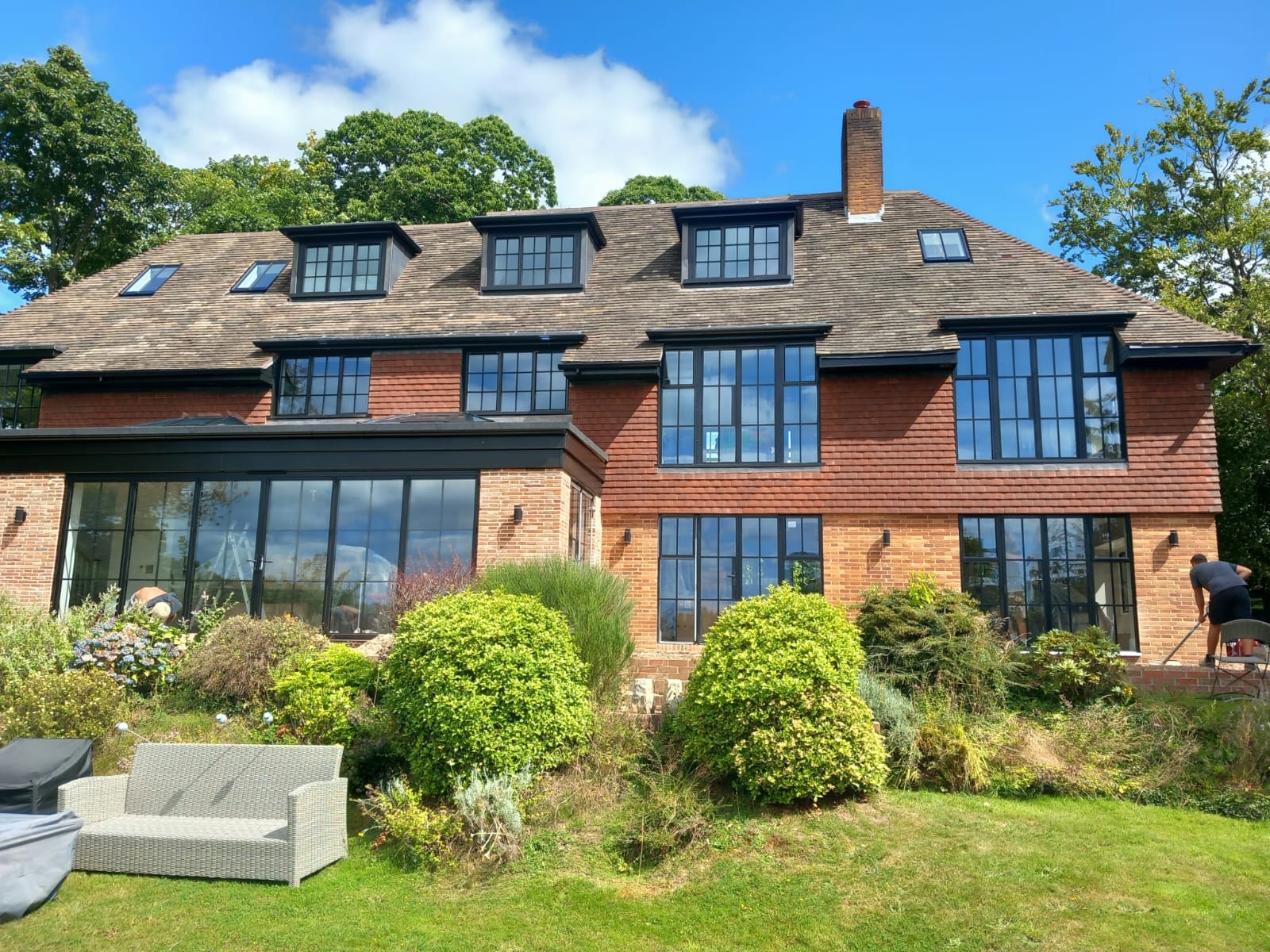
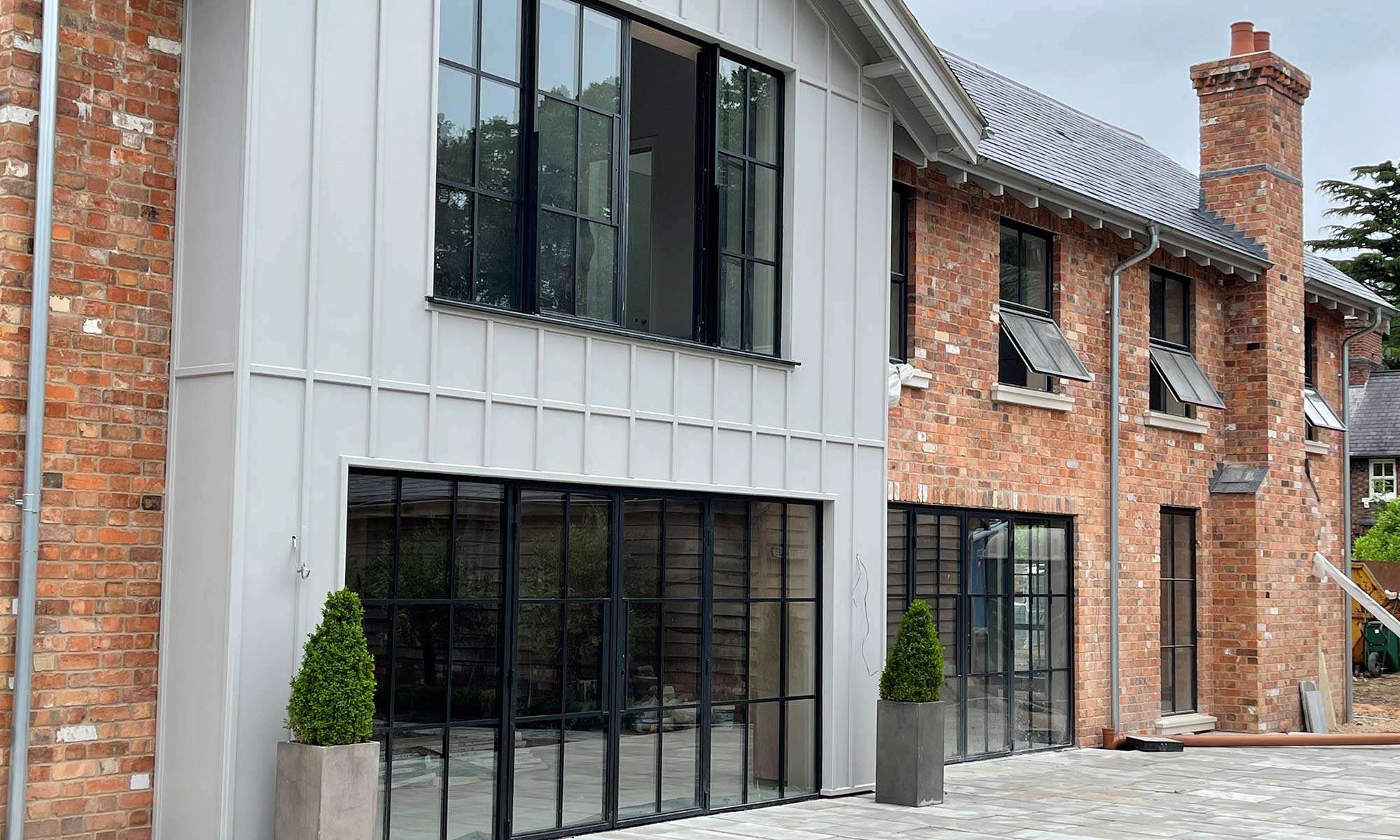
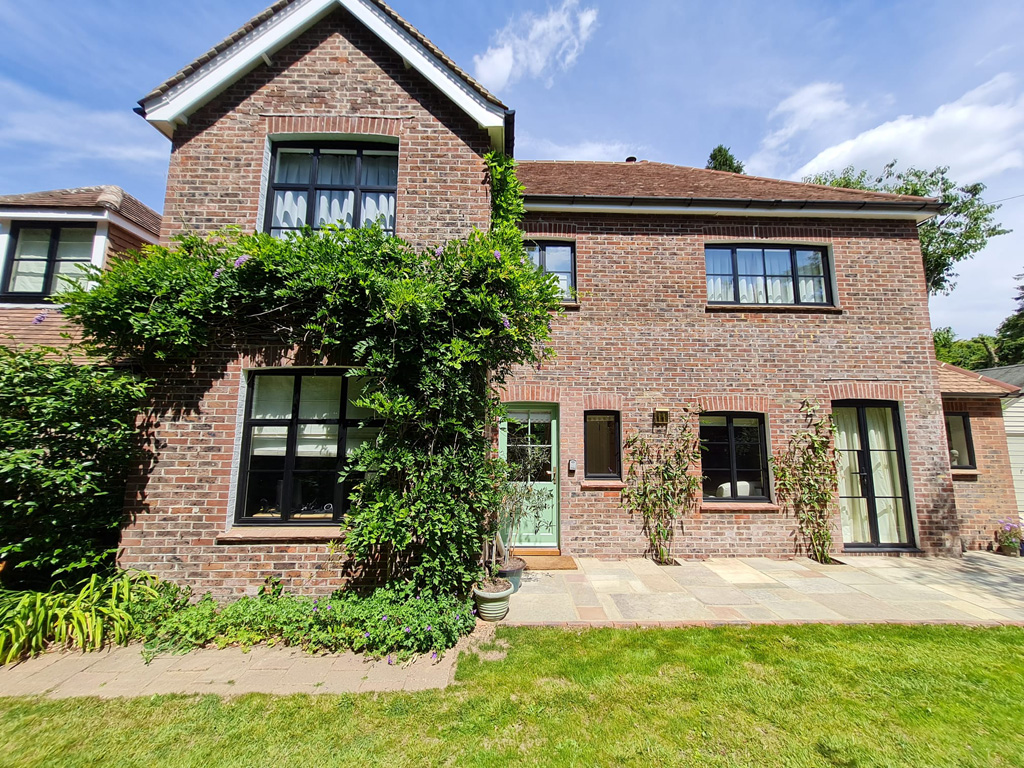
A large red-brick home with black steel windows and steel framed doors, combining modern design with timeless style.

Windows are a vital yet often underestimated aspect of a home. They let in natural light, provide ventilation, and serve as a key design element that influences both interior and exterior aesthetics. But beyond their functional and stylistic appeal, windows play a significant role in determining your property value. If you’ve been asking, “do new windows increase home value?”, the short answer is yes. Replacing your windows is an investment that can yield impressive returns, both financially and in the form of improved buyer interest.  In this comprehensive guide, Jennyfields will explore how new windows – particularly steel window replacements – can elevate your property’s value, enhance its energy efficiency, and provide a competitive edge in the ever-changing housing market.   Why Do New Windows Increase Home Value? Whether you’re planning to sell your home in the near future or simply want to increase its overall worth, new windows can have a transformative impact. But why do new windows increase home value? There are a number of key reasons. Buyer Perceptions and Kerb Appeal Kerb appeal is one of the most critical factors influencing a property’s market value. A home’s exterior is the first thing potential buyers see, and its windows are a prominent, defining feature. Outdated or damaged windows can detract from an otherwise attractive property, creating the impression that the home hasn’t been well maintained. Modern, well-kept windows, on the other hand, contribute to a polished and inviting appearance. Whether you opt for the sleek frames of steel window replacements or classic wooden designs, replacing old windows can significantly enhance your home’s visual appeal. As Ellis & Co points out, upgrading or dressing your windows is one of the simplest ways to elevate your property’s exterior. The Importance of Modern Features Today’s buyers are not just looking for premium aesthetics; they’re also focused on superior practicality and functionality. Modern windows equipped with useful features such as double glazing, advanced insulation, or low-emissivity coatings are increasingly seen as a must-have rather than a luxury. If you’re replacing your windows, consider options that blend design with functionality. At Jennyfields, we specialise in steel window replacements that combine timeless style with modern energy efficiency. These upgrades ensure your home meets buyer expectations while still looking exceptional. Psychological Impacts How else do new windows increase home value? Psychologically, buyers are drawn to homes that are aesthetically pleasing and feel well cared for. Windows serve as a strong visual indicator of how much attention and maintenance a property has received. New, high-quality windows suggest that the home is updated and move-in ready – qualities that can translate to a higher offer. Nowadays, the majority of buyers also start their property search online, forming first impressions within seconds. Photos of homes with clean, modern windows tend to attract more attention, leading to increased interest and more viewings.   Energy Efficiency: Another Key Selling Point Not only is sustainability a key factor in many purchase decisions, but it also justifies a higher price. According to 2024 research by PwC, UK consumers are willing to pay a 9.7% sustainability premium – even during the cost of living crisis. When this ethos is applied to real estate, it offers a compelling reason to invest in new, more energy efficient windows. EPC Ratings and Marketability Improving your property’s Energy Performance Certificate (EPC) rating is one of the easiest ways to make it more attractive to buyers. So, how do new windows increase home value? By maximising your home’s energy efficiency, which directly influences its EPC rating! Homes with better EPC ratings are not only cheaper to run, but are also seen as environmentally friendly – a quality that resonates strongly in today’s market, where 3 out of 4 buyers say they want a sustainable home.  Therefore, eco-friendly properties are more likely to command higher offers and sell faster. In fact, Sam Conveyancing highlights how energy-efficient upgrades, including new windows, can make a significant difference in a home’s marketability.  Reducing Energy Costs Windows are one of the biggest culprits for heat loss, particularly in older homes. Replacing single-glazed or poorly insulated windows with double- or triple-glazed options can dramatically reduce energy bills. These energy savings are particularly noticeable during colder months, as less heat escapes through the glass and frames. At Jennyfields, our steel window replacements are designed with energy efficiency in mind. Features like thermally broken frames and advanced glazing technologies can keep your home comfortable year-round, while reducing your energy usage and utility bills.   How Much Do New Windows Increase Home Value? Average Financial Returns New windows typically recoup between 70% and 80% of their cost upon resale, according to Property Price Advice.  As an example, if you invest £15,000 in premium steel replacement aluminium windows, you can expect to add at least £10,500 to £12,000 to your property’s value. While this ROI is already impressive, the indirect benefits – such as attracting more buyers and selling your home faster – can be just as impactful. A home with modern windows is more likely to stand out in listings and leave a positive impression during viewings. Factors That Influence ROI The exact value added by new windows also depends on several factors, including: Material – High-end materials like steel and thermally broken aluminium typically yield better financial returns than uPVC or composite options. Steel window replacements, for example, offer an elegant yet modern look that enhances contemporary and older homes alike. Glass – According to This Is Money, double glazed windows are among the most effective home improvements for adding value when preparing to sell.   Property Style – Choosing windows that match your home’s architectural style – whether period, modern, Art Deco, or mid-century – can further increase its value.   Long-Term Benefits of New Windows The advantages of window replacement go beyond immediate resale value. Minimal Maintenance Requirements Modern windows, particularly the likes of steel window replacements, are incredibly low maintenance. Unlike wooden frames, which require regular sanding and painting, steel and aluminium frames … Read more

installing aluminium windows

Winter is here, and for many homeowners, it’s a season of skyrocketing heating bills and cold draughts sneaking through old, inefficient windows. If you’ve been wondering how to make your home warmer and more energy-efficient this winter, installing aluminium windows could be the answer you’re looking for. Known for their sleek design and durability, aluminium windows are no longer just a stylish option – they’re also a practical solution for improving energy efficiency and reducing your heating costs.  In this guide, the window experts at Jennyfields will explore why these windows are a great choice for winter, how to install them the right way, and what makes them an investment worth considering.   Why Aluminium Windows Are Perfect for Winter Not all materials are built to handle the challenges of cold weather, but aluminium frames excel in even the harshest winter conditions. Here are just a few reasons why homeowners looking to upgrade should consider installing aluminium windows. Strength and Durability in Cold Weather Unlike wooden frames, which are prone to warping and swelling in wet or cold conditions, aluminium windows remain structurally stable in any weather. Their resistance to moisture, freezing temperatures, and humidity means that they perform reliably year after year, making them a durable option for homes in varied or generally colder climates, such as the UK. In particular, Jennyfields’ steel and aluminium window replacements are built to withstand the test of time. Whether you’re faced with harsh winters or fluctuating temperatures, our windows are designed to maintain their performance and appearance with minimal maintenance. Energy-Efficient Design One of the greatest advantages of installing aluminium windows is their ability to keep your home warm and well-insulated during winter. Thanks to modern advancements, aluminium frames now feature thermal breaks – insulating barriers within the frame that significantly reduce heat transfer between the indoors and outdoors. When paired with double or triple glazed glass, thermal breaks allow less heat to escape through your windows, helping you maintain a consistent indoor temperature. According to Kenan Metal, aluminium profiles (for features such as windows) play a vital role in improving insulation while maintaining the sleek, minimalist appearance that many homeowners love.   Benefits of Installing Aluminium Windows in Winter Replacing your windows in winter may sound counterintuitive, but it actually comes with a range of advantages. Immediate Energy Savings The sooner you install energy-efficient windows, the sooner you can start reducing your heating costs. Aluminium windows, with their advanced thermal insulation properties, help reduce energy consumption by minimising heat loss. This means lower utility bills and a more sustainable home. As highlighted in our blog discussing the importance of energy-efficient windows, upgrading old windows is one of the most effective ways to improve your home’s thermal efficiency. By installing aluminium windows, you can create a warm and cosy living environment without overworking your heating system. Quick Turnaround for Winter Replacements Many homeowners assume that window replacements are best left for warmer months, but winter can actually be an ideal time for upgrades. Contractors are often less busy during this season, which means you’re more likely to secure a convenient installation date and faster service. As Angi explains, expert installers are equipped to handle winter conditions efficiently, causing minimal disruption to your home. For those currently facing high heating bills or draughty interiors, this quick, professional turnaround can be a game-changer. Improved Comfort During Cold Months Nothing beats coming home to a warm, comfortable space on a chilly winter’s day. By installing aluminium windows, you can eliminate cold spots, draughts, and condensation issues in your house, creating a more inviting environment for you and your family.   Steps to Installing Aluminium Windows the Right Way To maximise the benefits of aluminium windows, proper installation is key. Here’s how to guarantee that the process goes smoothly. Choosing High-Quality Windows Not all aluminium windows are created equal, so it’s important to do careful research and choose options that meet high standards of quality and energy efficiency. Look for features like: Thermal Breaks – These insulating barriers within the frame reduce heat transfer. Double or Triple Glazing – Enhanced insulation offers optimal energy savings. Low-E Glass Coatings – Advanced coatings like this minimise heat loss while maximising natural light. Jennyfields’ bespoke aluminium window replacements combine these advanced energy-saving technologies with timeless aesthetics, creating new windows that are both stunningly beautiful and highly functional. Hiring Professional Installers While DIY installation might seem tempting, hiring professional installers ensures your aluminium windows are fitted correctly. A poorly installed window can lead to air leaks, condensation, and reduced energy efficiency, negating the benefits of your investment. The MTC qualified team here at Jennyfields specialises in installing aluminium windows, delivering airtight seals and flawless finishes that stand the test of time. Preparing Your Home for Installation A little preparation goes a long way in making the installation process smooth and efficient. Before your installers arrive, consider these tips: Clear the area around your windows for easy access. Remove curtains, blinds, or any fragile décor near the windows. Keep your heating system on during installation to minimise indoor temperature fluctuations. These simple steps smooth the way for a stress-free experience and help your contractors to work efficiently.   Maintaining Aluminium Windows for Long-Term Efficiency After you’ve invested in installing aluminium windows, proper care and maintenance will guarantee that they continue to perform at their best for years to come. Regular Cleaning and Inspection Aluminium frames are low-maintenance by design, but regular cleaning helps preserve their appearance and functionality. Use a soft cloth and mild detergent to clean frames and glazing, avoiding any abrasive materials that could damage the finish. Inspecting your windows periodically for signs of wear, such as damaged seals or small air leaks, and addressing these issues promptly will help maintain your insulation for years to come. Sealing and Insulation Checks Over time, weatherstripping and caulking can degrade, reducing the effectiveness of your windows. Replacing worn seals keeps your aluminium windows airtight, preventing draughts and heat loss. Upgrading … Read more

heritage aluminium windows

For homeowners of period properties, the challenge of preserving traditional aesthetics while embracing modern advancements is ever-present. When it comes to windows, this balance is particularly crucial.  Heritage aluminium windows offer a solution that marries the timeless charm of historic designs with the benefits of contemporary technology.  Jennyfields, a Surrey-based specialist in high-quality steel and aluminium replacement windows, provides the expertise required to achieve this perfect blend, ensuring your home retains its character while gaining the advantages of modern efficiency.   The Appeal of Heritage Aluminium Windows Preserving the Charm of Period Properties Period properties have a unique allure, often defined by intricate architectural details and a sense of history that newer homes lack. From Victorian and Georgian to Tudor and Regency, period properties are consistently popular in the UK. Original windows play a significant role in this charm, but as they age, they can become a source of inefficiency and maintenance challenges.  Heritage aluminium windows are designed to replicate the look of traditional windows, such as those with Georgian bars or the slender profiles of steel frames, while offering modern performance. This means you can maintain the aesthetic integrity of your home without compromising on quality or functionality. For instance, Jennyfields offers bespoke designs that carefully match the existing style of your property, ensuring that new windows seamlessly integrate with your home’s architectural features. We understand that every detail matters, from the glazing bars to the hardware, and provide options that replicate the look of original materials like timber or steel, all while benefiting from the durability of aluminium. The Strength and Durability of Aluminium Aluminium is renowned for its strength and resilience, making it an ideal material for heritage windows. Unlike wood, which can warp, rot, or require regular maintenance, or steel, which may rust over time, aluminium is highly resistant to the elements. This durability ensures that your heritage windows will stand the test of time with minimal upkeep, preserving the appearance of your home for years to come. The use of aluminium also allows for slimmer frames compared to other materials, which maximises the amount of glass and, consequently, the amount of natural light entering your home. This is particularly beneficial for heritage properties, where maintaining original sightlines is essential. Jennyfields’ heritage aluminium windows deliver on these fronts, offering both robustness and a visually appealing design.   Modern Efficiency Meets Traditional Style Enhanced Energy Efficiency One of the most significant advantages of modern aluminium windows is their sustainability and energy efficiency. Older windows, particularly single-glazed ones, are notorious for allowing heat to escape, leading to higher energy bills and a less comfortable home environment.  Heritage aluminium windows, however, are engineered with modern insulation technologies, such as double glazing and thermal breaks, that drastically reduce heat loss. These advancements ensure that heritage aluminium windows not only maintain the traditional appearance of your property but also meet today’s stringent energy efficiency standards.  This means you can enjoy a warmer home in the winter and cooler interiors in the summer, all while potentially lowering your energy costs. Moreover, the environmental benefits of reduced energy consumption contribute to a smaller carbon footprint, making these windows a sustainable choice. Advanced Security Features Security is another area where modern aluminium windows excel. Traditional windows often lack the robust locking mechanisms required to protect against modern security threats. Heritage aluminium windows, on the other hand, are equipped with advanced features such as multi-point locking systems and reinforced frames. These features provide an additional layer of security without detracting from the classic aesthetic of your windows. Modern security elements are discreetly integrated into the window design, ensuring that the heritage look is preserved while offering peace of mind. Whether you’re replacing windows in a listed building or simply updating a period home, you can be confident that your property remains both secure and stylish.   Why Choose Heritage Aluminium Windows from Jennyfields? Tailored Designs for Unique Properties No two heritage properties are exactly alike, and that’s why customisation is key when it comes to replacing windows. At Jennyfields, we understand the importance of creating windows that not only fit the dimensions of your home but also reflect its unique character. Our bespoke window replacement service allows homeowners to choose from a wide range of design options, including glazing patterns, frame finishes, and hardware that complement the existing architectural style. Aluminium’s flexibility as a material means it can be crafted into various shapes and sizes, making it suitable for even the most complex window designs. Whether you need a set of casement windows with period-accurate detailing or a combination of fixed and operable panes that mimic the original layout, Jennyfields can deliver heritage aluminium windows that enhance your home’s aesthetic appeal while offering the benefits of modern engineering. Expertise in Heritage Projects When it comes to heritage properties, experience matters. Jennyfields has a long history of working with period homes across Surrey and the surrounding areas, providing high-quality replacement windows that honour the original design while incorporating modern benefits. Our expertise extends beyond just windows; we understand the intricacies of heritage projects, from adhering to conservation guidelines to replicating historical details. Working with a company that understands the unique challenges of heritage windows is essential. At Jennyfields, we bring this expertise to every project, ensuring that our clients receive windows that enhance their home’s character while providing the practicality required in today’s world. Our extensive portfolio of completed projects and satisfied customers speaks to our commitment to quality and attention to detail. Comprehensive Service from Consultation to Installation Replacing windows in a heritage property can be daunting, especially when considering the potential disruption to your home’s interior and exterior.  However, with Jennyfields, the entire process is handled with the utmost care and respect for your property. We offer a comprehensive service that covers everything from the initial consultation to the final installation. Our approach is tailored to each client, ensuring that your specific needs and preferences are met at every stage of the process. … Read more

Download Our Brochure!

Explore our collection of steel windows and doors. Download our brochure for inspiration and design options.

Popup form
Name
Name

Download Our Brochure!

Explore our collection of steel windows and doors. Download our brochure for inspiration and design options.

Popup form
Name
Name