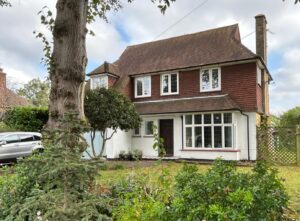
Windows do more than frame a view. They shape how warm your home feels on a winter morning, how quiet it is at night, and how comfortably older parts of a house connect with newer additions. In period homes and carefully designed extensions, that balance matters more than ever.
High end aluminium windows have become a considered choice for homeowners who want long-term performance without compromising architectural integrity. Not because aluminium is fashionable, but because when it is designed properly, it solves problems that traditional materials often struggle with. Drafts, maintenance, noise and visual heaviness quietly fall away.
This is not about chasing a trend. It is about choosing windows that will still feel right decades from now.
What Defines a High-End Aluminium Window
Not all aluminium windows deserve to be called high end. The difference lies in proportion, precision and how the system is made to work with the building rather than sit on it.
A well-designed aluminium window uses the material’s inherent strength to keep frames slim and sightlines controlled. That strength allows more glass and less visual interruption, which is especially important in older homes where original window proportions were never bulky. Lower-quality aluminium systems often rely on thicker sections and generic detailing, which can feel clumsy or out of scale.
High end aluminium windows are engineered, not assembled. Corners are tightly mitred. Gaskets are discreet. Opening mechanisms feel smooth and deliberate. Powder-coated finishes are even and durable, designed to age quietly rather than peel or fade.
Glazing specification matters just as much. Carefully selected double or triple glazing, warm-edge spacers and appropriate cavity depths are what turn a good-looking window into one that performs consistently year after year.
This is where high end aluminium windows earn their reputation. They are judged not on installation day, but on how they live with you long afterwards.
Why Aluminium Works Across Old and New Architecture
One of aluminium’s greatest strengths is its adaptability. In period homes, it can echo the slimness and rhythm of traditional metal or timber windows without pretending to be something it is not. In contemporary extensions, it offers clean lines and generous glazing that feel structurally confident rather than over-engineered.
This adaptability becomes particularly valuable when a home spans more than one architectural era. A Victorian or Edwardian house with a modern rear extension, for example, often struggles at the point where old meets new. Aluminium windows can provide a visual link across both parts of the building. Slim frames respect the original façade, while larger openings and minimal detailing support the modern addition.
Rather than drawing attention to the join, aluminium allows the architecture to read as a whole.
We see this approach working especially well in Surrey homes, where heritage front elevations sit alongside contemporary garden-facing spaces. Aluminium holds its line and lets the building speak.
Performance You Feel Every Day
It is easy to focus on specifications, but performance is ultimately measured in daily experience.
High end aluminium windows significantly improve thermal consistency. Cold spots near glazing reduce. Condensation becomes less of an issue. Rooms feel easier to heat and maintain. When specified correctly, aluminium systems comfortably meet current UK Building Regulations under Part L, delivering insulation levels far beyond those of older steel or single-glazed timber windows.
Acoustic performance is another noticeable improvement. Traffic noise softens. Outside sounds become distant rather than intrusive. In busy towns or near main roads, this can change how rooms are used altogether.
Security is equally important, though rarely obvious. Modern aluminium windows incorporate multi-point locking, robust hardware and laminated glazing options that meet recognised UK security standards. The reassurance is there, without visual bulk.
These benefits do not announce themselves. They simply make your home calmer, warmer and easier to live in.
Longevity as a Design Decision
Choosing aluminium is often about what you avoid as much as what you gain.
Unlike timber, aluminium does not swell, crack or rot. Unlike uPVC, it does not discolour or soften over time. High quality powder-coated finishes need little more than occasional cleaning to stay looking sharp. There is no repainting cycle to plan around, no gradual decline to manage.
From a sustainability perspective, this longevity matters. Aluminium is fully recyclable and retains its structural properties indefinitely. Investing in windows designed to last several decades reduces replacement cycles, material waste and long-term disruption to your home.
In practical terms, this often makes high end aluminium windows more cost-effective over their lifespan than cheaper alternatives, even if the initial outlay is higher. You make the decision once, then enjoy the results.
Where High-End Aluminium Windows Shine Most
While aluminium is versatile, certain applications consistently show its strengths.
In period homes, aluminium works beautifully as a replacement for tired steel or timber windows where slim proportions are essential. Bay windows, large sash-style openings and multi-pane arrangements all benefit from aluminium’s strength and visual lightness.
In contemporary extensions, aluminium allows wide openings and large panes of glass without heavy framing. Sliding doors, picture windows and corner details feel calm and well balanced, strengthening the connection between inside and out.
Garden rooms, studios and home offices also benefit. Aluminium handles temperature changes and exposure with ease, keeping spaces comfortable and visually refined throughout the year.
Across Surrey and the South East, aluminium is often chosen where homeowners want architectural clarity without anything that feels overly industrial or stark.
Design Choices That Make the Difference
Material choice is only the beginning. The details determine whether a window feels resolved.
Colour selection is one of the most important decisions. Deep bronzes, soft greys and heritage-inspired tones sit comfortably alongside brick and stone, while darker architectural shades sharpen contemporary additions. High quality powder coating ensures these finishes remain consistent over time.
Glazing choices affect more than insulation. Clear glass maximises light and views. Subtle tinting can reduce glare. Obscure or reeded glass offers privacy while still sharing light between spaces. Each option changes how light moves and reflects within a room.
Proportion matters most of all. Frame thickness, glazing bar layout and sightlines must respond to the building, not just the opening. In heritage settings especially, incorrect proportions can disrupt an entire elevation.
This is where experience becomes invaluable. Knowing what will continue to feel right matters more than what looks acceptable on paper.
Planning, Heritage and Conservation Considerations
High end aluminium windows are increasingly accepted in conservation areas when approached thoughtfully. Planning authorities tend to focus on appearance rather than material alone. Sightlines, frame thickness, opening style and glazing pattern often carry more weight than the base material.
In many cases, aluminium can offer a closer visual relationship to traditional slim-profile metal windows than modern timber alternatives, particularly where fine detailing is critical. The key is careful design and clear justification.
Working with a specialist who understands these sensitivities helps avoid unnecessary compromise and ensures approvals are secured without diluting the architectural intent.
Frequently Asked Questions
Are high end aluminium windows suitable for period properties?
Yes. When designed with the correct proportions and detailing, aluminium can sit comfortably within period architecture while delivering modern performance.
How long do aluminium windows typically last?
Well-made aluminium windows can last several decades with minimal maintenance.
Do aluminium windows improve energy efficiency in older homes?
They significantly reduce heat loss through glazing and frames, even though the wider building fabric remains unchanged.
Are aluminium windows more expensive upfront?
Often yes, but their lifespan, performance and low maintenance frequently make them better value over time.
Can aluminium replacement windows replicate traditional slim metal window styles?
Aluminium can closely reflect the proportions and rhythm of traditional metal windows while offering improved thermal and acoustic performance.
If you’ve got any other questions, take a look at our FAQ page or get in touch with our friendly team!
A Considered Investment That Pays Back Daily
High end aluminium replacement windows are not an indulgence. They are a practical architectural decision that improves how a home performs and feels every single day. Temperatures are steadier. Light is clearer. Maintenance becomes minimal. Old and new parts of a house begin to feel naturally connected.
At Jennyfields, we design aluminium window solutions that respect architecture rather than overwrite it. Whether you are upgrading a period home, planning an extension or bringing both together, we guide you through the decisions that genuinely matter.
If you are considering new windows and want a solution that will stand the test of time, you are welcome to explore our aluminium and heritage window ranges or visit our Surrey showroom for a design-led conversation.